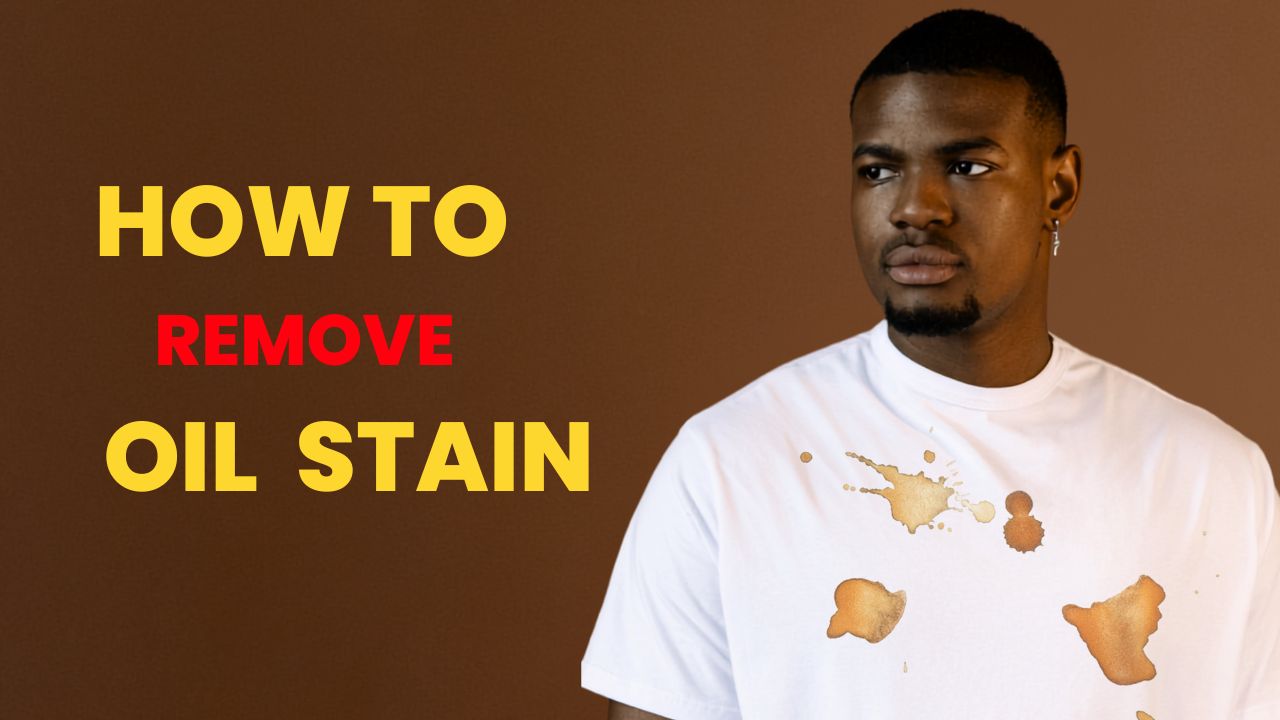
Oil stains can soak into clothing fibers and leave a greasy mark that water alone may not remove. For the best results, treat the stain as soon as possible by blotting excess oil, applying a suitable stain treatment, and using a small amount of dish soap or liquid laundry detergent before washing. Always check the garment care label, especially for delicate fabrics or set-in stains.
The Best Way to Remove an Oil Stain
The best way to remove an oil stain is to first blot away excess oil, cover the area with an absorbent powder, then apply a small amount of dish soap or liquid laundry detergent as a grease-cutting cleaner. Gently work it into the clothing fibers, rinse, and wash according to the garment care label. Avoid dryer heat until the stain is completely gone.
Why Oil Stains Are Difficult to Remove
Oil stains can be difficult to remove because hydrophobic residue does not mix easily with water, allowing the oil to cling to clothing fibers. Water-soluble cleaners may not be enough on their own, especially when the stain has had time to settle. Heat exposure can also make remaining oil residue more difficult to remove, which is why treating the stain before drying is important.
Why Fresh Oil Stains Are Easier to Treat
Fresh oil stains are generally easier to treat because the liquid oil has had less time to penetrate deeply into clothing fibers. Blotting the excess and applying an absorbent powder early can help lift some of the oil before it becomes more difficult to remove.
Why Dried or Set-In Oil Stains Are More Difficult
Dried oil stains can become more stubborn because the oil residue has had more time to settle into the fabric fibers. A suitable stain treatment may need to be repeated to loosen the residue before washing.
If the oil stain has already dried or become set in, see our detailed guide on how to remove old oil stains from clothes.
What You’ll Need
Before treating an oil stain, gather a paper towel or clean cloth to blot excess oil, along with baking soda or cornstarch to absorb residue. You may also need dish soap, liquid laundry detergent, a soft toothbrush, and access to a washing machine for the final wash.
Do You Need Baking Soda or Cornstarch?
Both baking soda and cornstarch can work as an absorbent powder for fresh oil. Sprinkle a small amount over the excess oil on the fabric surface, allow it to absorb the residue, and then gently brush it away before pretreating the stain.
Can You Use Dish Soap on Clothes?
Yes, dish soap can be useful as a grease-cutting cleaner for many washable fabrics because it can help loosen oily residue from clothing fibers. Check the care label first and perform a spot test on an inconspicuous area, particularly when treating delicate or colored garments.
🧺 Recommended Oil-Stain Removal Essentials
If you regularly deal with oil stains, keeping a few basic cleaning supplies at home can make stain treatment easier.
A grease-cutting dish soap can be useful for pretreating oily clothing.
Check Price on Amazon →Useful for pretreating and washing clothes after treating an oil stain.
Check Price on Amazon →A soft brush can help gently work stain treatment into fabric without aggressive scrubbing.
Check Price on Amazon →Disclosure: As an Amazon Associate, Cleanisticx may earn from qualifying purchases.
How to Remove Oil Stains From Clothes Step by Step
The basic oil stain removal process is straightforward: absorb the excess oil, apply a suitable cleaner, gently work it into the clothing fibers, rinse, and wash. Using an absorbent powder first can help with fresh stains, while dish soap or liquid laundry detergent can help break down the remaining oily residue.
Step 1: Blot the Excess Oil
Start by gently blotting the excess oil with a paper towel or clean cloth. Press the material against the fabric surface to lift as much oil as possible without spreading the stain further. Avoid rubbing, as this can push the oil deeper into the fabric.
Step 2: Apply an Absorbent Powder
Cover the stained area with baking soda or cornstarch, using enough absorbent powder to cover the oil residue. Let it sit for a while so the powder can draw some of the oil away from the fabric before you remove it.
Step 3: Remove the Powder
Once the absorbent powder has had time to work, gently brush it away with a soft toothbrush. Work carefully across the fabric surface so you remove the powder without spreading the remaining oil residue.
Step 4: Apply Dish Soap or Liquid Laundry Detergent
Apply a small amount of dish soap or liquid laundry detergent directly to the stain. These products can act as a grease-cutting cleaner, helping loosen oil trapped within the clothing fibers.
Step 5: Gently Work the Cleaner Into the Fabric
Use your fingers or a soft brush to gently work the stain treatment into the fabric fibers. Avoid aggressive scrubbing; the goal is to distribute the cleaning solution through the affected area and loosen the grease residue.
Step 6: Rinse and Check the Stain
Rinse the treated area with rinse water according to the garment’s care instructions, then inspect the fabric surface. Make sure most of the loosened oil and remaining residue have been removed before moving on to washing.
Step 7: Wash According to the Care Label
Place the garment in the washing machine and use an appropriate amount of laundry detergent according to the garment care label. Choose the recommended wash cycle and water temperature for the fabric.
Step 8: Check Before Drying
After washing, perform a stain inspection while the garment is still damp. If you can see a remaining oil stain, repeat the treatment rather than using dryer heat, which can make leftover oil more difficult to remove. Once the stain is gone, dry the garment according to its fabric care instructions.
How to Remove Dried or Old Oil Stains From Clothes
Dried oil stains and old oil stains can be more stubborn than fresh spills because the oil residue has had more time to settle into the fabric and become a set-in stain. A suitable stain treatment may need more time or repeated applications to loosen the residue before washing.
Loosen the Dried Residue
Start by gently working on the dried oil residue to loosen it from the fabric fibers. Avoid aggressive scraping or rubbing, as this can damage the clothing fabric. A suitable pretreatment can then help prepare the stain for further cleaning.
Apply a Degreasing Pretreatment
Apply a small amount of degreasing pretreatment, such as dish soap or liquid laundry detergent, to the affected area. Gently work it into the stain to help break down the grease residue without damaging the surrounding fabric.
Repeat the Treatment if Necessary
Stubborn oil stains may not disappear after one application, so repeat the stain treatment if needed. Allowing the treatment to work before washing can help with repeated treatment, but always consider the garment’s fabric care requirements.
Wash and Check Before Drying
Wash the garment in the washing machine using suitable laundry detergent and the instructions on the garment care label. Perform a stain inspection before drying; if any oil remains, treat it again instead of exposing the garment to dryer heat.
If the oil stain has already been washed or dried and has become set in, see our detailed guide on how to remove old oil stains from clothes.
How to Remove Different Types of Oil Stains
Different oils can leave slightly different oil residue, but the basic approach remains similar: absorb excess oil first, then use an appropriate cleaner before washing. The exact treatment can depend on whether you are dealing with cooking oil, olive oil, coconut oil, chili oil, or grease stains.
Cooking Oil Stains
Cooking oil can leave a greasy mark on clothing, so start by absorbing excess oil before applying a small amount of dish soap or another grease-cutting cleaner. Wash with suitable laundry detergent according to the garment’s care instructions. For the complete method, see our guide on how to remove cooking oil stains from clothes.
Olive Oil Stains
Olive oil can soak into fabric fibers, leaving a noticeable greasy patch. Begin by absorbing excess oil with an absorbent powder, then use a suitable degreasing pretreatment before washing. For more detailed instructions, see our guide on how to remove olive oil stains from clothes.
Coconut Oil Stains
Coconut oil can leave an oily residue on clothing, particularly when it has had time to settle into the fabric. Start with an absorbent powder, then follow with liquid laundry detergent before washing. For the full step-by-step approach, see our guide on how to remove coconut oil stains from clothes.
Chili Oil Stains
Chili oil can be more challenging because it may leave both oily residue and color residue on fabric. Treat the oily portion first and take care not to spread the colored residue during cleaning. For the detailed method, see our guide on how to remove chili oil stains from clothes.
Grease Stains
Grease stains often need a degreasing pretreatment to loosen the oily residue before washing. A small amount of dish soap or suitable laundry detergent can help prepare the garment for laundering. For the complete process, see our guide on how to remove grease stains from clothes.
How to Remove Oil Stains From Different Types of Clothing
Different garments can respond differently to oil-stain treatment depending on the clothing fabric, fabric type, and care requirements. The basic stain-treatment process is similar, but checking the garment care label is important before treating delicate or specialized clothing.
Oil Stains on Jeans
Oil stains on jeans can settle into denim fabric and leave visible oil residue. Use the basic treatment carefully and follow suitable fabric care instructions. For the detailed method, see our guide on how to remove oil stains from jeans.
Oil Stains on Dresses
Oil stains on dresses may require extra care, especially when the garment uses delicate fabric. Because different fabric fibers can react differently to cleaning products, check the garment care label before treatment. For the complete method, see our guide on how to remove oil stains from dresses.
Oil Stains on Hoodies
Oil stains on hoodies, particularly those made from cotton fabric, can often be treated using the general oil-stain process. If oil residue remains, follow the garment’s washing instructions and use suitable laundry detergent. For the detailed method, see our guide on how to remove oil stains from hoodies.
Oil Stains on Puffer Jackets
Oil stains on puffer jackets need more careful treatment because the outer synthetic fabric and inner insulation may have specific cleaning requirements. Always check the garment care label before applying a cleaner. For the specialized method, see our guide on how to remove oil stains from a puffer jacket.
Oil Stains on Sheets
Oil stains on bed sheets can spread through the fabric fibers and leave noticeable oil residue. Start with the general oil-treatment approach, then wash the sheets using an appropriate laundry detergent. For the detailed method, see our guide on how to remove oil stains from sheets.
How to Remove Oil Stains From White and Colored Clothes
Oil-stain treatment can be used on both white clothes and colored clothes, but the approach should account for colorfastness and the garment’s fabric care requirements. Always check the garment care label first and test any unfamiliar cleaning product on a hidden area before treating the stain.
Removing Oil Stains From White Clothes
For white fabric, the main concern is removing the oil without unnecessarily damaging the material. Check colorfastness where relevant, perform a spot test before using a new product, and do not reach for bleach unless the garment care label specifically allows it.
Removing Oil Stains From Dark or Colored Clothes
With colored fabric and dark clothing, focus on removing the oil while protecting the original color. A spot test can help identify potential fabric discoloration before applying a treatment to the stain, especially when using a new or stronger cleaning product.
What to Do If the Oil Stain Is Still Visible After Washing
If a remaining oil stain is still visible after the washing cycle, do not assume the garment is permanently stained. Inspect the fabric while it is still damp and repeat the stain treatment if necessary. A second treatment with suitable laundry detergent can help loosen oil residue from the fabric fibers before the garment is dried.
Don’t Put the Garment in the Dryer Yet
Avoid exposing the garment to dryer heat while a remaining oil stain is still visible. Heat can make the residue more difficult to remove. Instead, perform a careful stain inspection after washing and treat the affected area again while the fabric is still suitable for further cleaning.
Repeat the Pretreatment
If oil residue remains, repeat the pretreatment using a small amount of dish soap or liquid laundry detergent. Gently work the product into the affected clothing fibers and allow it to loosen the remaining oil before washing again. Avoid aggressive scrubbing that could damage the fabric.
Try a Stronger Laundry Pretreatment
For a stubborn stain that remains after repeated treatment, you can try a stronger laundry pretreatment or suitable stain remover, provided it is compatible with the fabric. Always check the care label first and spot-test the product when necessary to reduce the risk of fabric damage or discoloration.
When the Stain May Need Professional Cleaning
Professional cleaning may be the safer option when a stubborn oil stain remains on delicate fabric, has deeply penetrated the material, or repeated treatment risks causing fabric damage. A professional cleaner can assess the fabric and use specialized treatment suited to the garment rather than relying on increasingly aggressive household cleaners.
What Not to Do When Removing Oil Stains
Avoiding common mistakes is just as important as choosing the right oil stain removal method. Excessive rubbing, heat, too much cleaning product, or incompatible cleaning chemicals can increase the risk of fabric damage. Follow the garment’s care requirements and use stain treatment carefully.
Don’t Rub the Stain Aggressively
Avoid vigorous rubbing because it can push the oil stain deeper into the fabric fibers and spread it to a larger area. Instead, gently blot excess oil and work the stain treatment into the fabric with controlled, light movements.
Don’t Use Heat Before the Stain Is Gone
Do not place clothing in a dryer while oil residue is still visible. Dryer heat can make a remaining stain more difficult to remove and may contribute to set-in stains. Always inspect the garment before drying and follow appropriate fabric care instructions
Don’t Apply Too Much Cleaning Product
Using more cleaning product does not necessarily improve stain removal. Excess dish soap or laundry detergent can leave product residue on the fabric and may make rinsing more difficult. Use a small, appropriate amount and rinse thoroughly.
Don’t Mix Cleaning Chemicals
Never mix different cleaning chemicals or stain removers unless the product instructions specifically state that they are compatible. Unexpected chemical reactions can create safety risks or damage the fabric. For safer stain treatment, use one suitable stain remover at a time.
Don’t Ignore the Garment Care Label
Always check the garment care label before treating an oil stain. The fabric type, washing instructions, and recommended cleaning methods can affect which treatment is appropriate. Following the label helps reduce the risk of discoloration, shrinkage, or other fabric damage.
Can You Use Home Remedies to Remove Oil Stains?
Some home remedies can support oil-stain treatment, but they should not automatically be considered the best or most effective option for every fabric. For most washable clothes, the main approach is still to absorb excess oil and use a suitable grease-cutting cleaner such as dish soap or liquid laundry detergent. Household remedies should be used with appropriate fabric care and spot testing.
Baking Soda or Cornstarch
Baking soda and cornstarch can be used as an absorbent powder for fresh oil stains. They may help draw some excess oil residue away from the fabric surface before the main stain treatment. Their role is primarily absorption rather than replacing a suitable cleaner.
Dish Soap
Dish soap is one of the more practical options for treating oily clothing because it can work as a grease-cutting cleaner. Applied in a small amount, it can help loosen oil residue from clothing fibers before washing. Always consider the garment’s care instructions and spot-test when appropriate.
Vinegar
White vinegar is sometimes suggested as a household cleaning solution for stains, but it should not be treated as a guaranteed oil remover. Vinegar may have uses in general fabric cleaning, but oil residue typically requires a suitable degreasing approach. Check the fabric fibers and care instructions before using it.
Other Household Remedies
Various household cleaners are commonly suggested for oil stains, but their suitability can vary depending on the fabric and product. Rather than trying several remedies at once, use one appropriate stain treatment at a time and perform spot testing on an inconspicuous area when necessary.
How to Prevent Oil Stains on Clothes
Preventing oil splashes is often easier than treating a stain after it has soaked into the fabric. Simple habits such as protecting clothing while cooking, treating spills quickly, keeping basic stain-treatment supplies available, and following proper garment care can reduce the chance of stubborn oil stains.
Wear an Apron While Cooking
Wearing a cooking apron creates an extra layer of clothing protection against oil splashes while frying or preparing greasy foods. This can help keep cooking oils from reaching your everyday clothes and causing fabric stains.
Treat Oil Splashes Immediately
When an oil splash occurs, start immediate treatment rather than leaving the garment until laundry day. Blot the fresh oil stain gently with a paper towel to remove excess oil residue before it has more time to settle into the fabric.
Keep Stain-Treatment Supplies Nearby
Keeping basic stain-treatment supplies within reach makes it easier to deal with spills promptly. A small supply of dish soap, absorbent powder, and laundry detergent can be useful for handling fresh oil stains before they become more difficult to remove.
Check Clothes Before Drying
Always perform a stain inspection after washing and before exposing the garment to dryer heat. If a remaining oil stain is still visible, treat it again rather than drying the clothing. Following appropriate fabric care instructions can help prevent the stain from becoming more difficult to remove.
Don’t Leave Oily Garments Sitting for Days
Avoid leaving oily clothing in the laundry basket for several days. As the oil remains in the fabric, fresh stains can become dried oil stains or more stubborn set-in stains. Treating the garment sooner makes stain management easier and supports better laundry care.
Frequently Asked Questions
How long until a stain is permanent?
Oil stains can become harder to remove after drying because oil residue bonds with fabric fibers, but quick treatment with dish soap, laundry detergent, or a stain remover can often lift them.
Will oil permanently stain clothes?
Oil does not always permanently stain clothes. Using absorbent powder, laundry detergent, and proper stain treatment can remove most oil stains before they set.
What is the best stain remover for oil stains?
A good oil stain remover includes liquid laundry detergent, dish soap, or a commercial stain remover that breaks down greasy residue and lifts it from fabric.
Will oil stains come out after drying?
Yes, dried oil stains can still be removed, but they may require pretreatment, warm water washing, and repeated cleaning with laundry detergent.
How do I get dried oil stains out of clothes?
Apply dish soap or liquid laundry detergent to the dried stain, let it sit, gently scrub the area, then wash using a suitable laundry cycle.
Conclusion
For effective oil stain removal, follow this simple process: Blot → Absorb → Pretreat → Rinse → Wash → Check → Dry. Always consider clothing care and fabric type, especially for stubborn or delicate stains. For more specific situations, see our specialized guides on how to remove oil stains from jeans, and how to remove cooking oil stains from clothes.







1 thought on “How to get rid of oil stains on clothes”