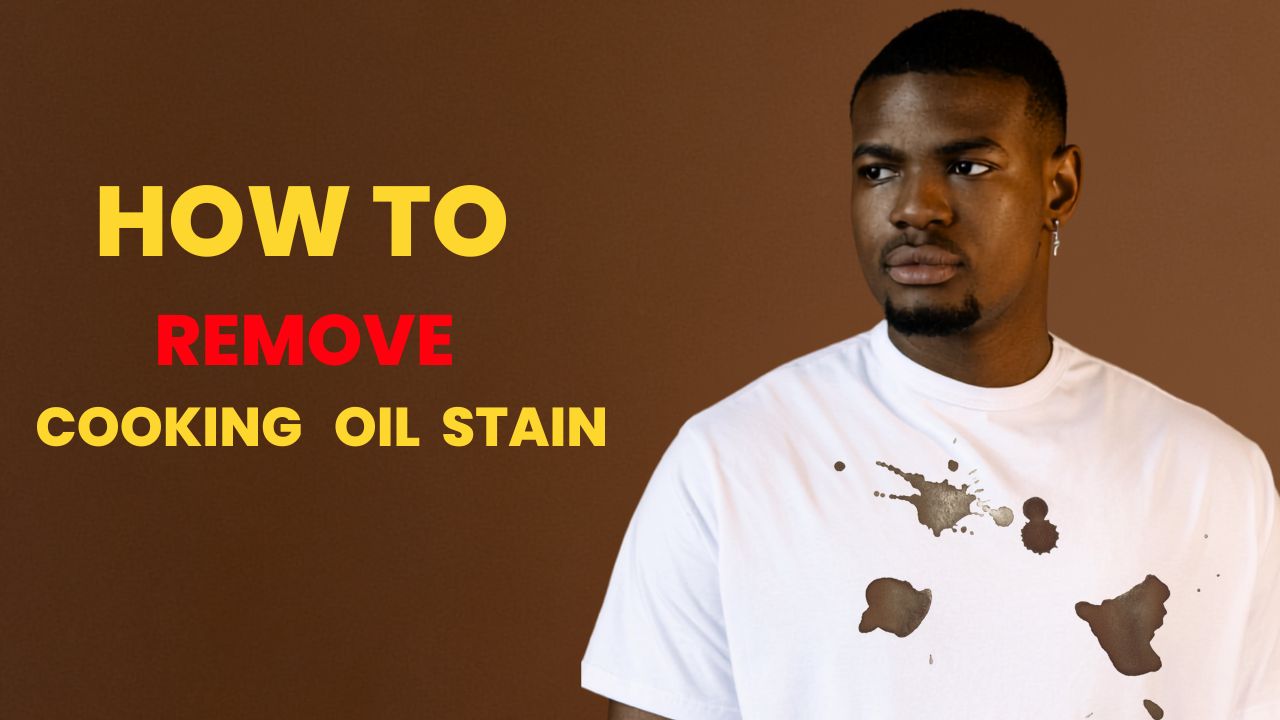
A kitchen accident can happen to anyone, whether you’re burning the roast, checking the roast under the lid, or using a blender that suddenly sprays ingredients everywhere. One small kitchen mishap is enough for an oil stain to appear on your clothes, especially after making Sunday morning bacon or Tuesday night fried chicken. I learned this after my favorite shirt was covered with greasy cooking oil that had oil splattered and splattered across the fabric, leaving a dark stain that quickly turned into a stubborn stain. Since then, I always keep an apron nearby to prevent extra mess and reduce the chance of oil burns while cooking.

The good news is that you can get rid of most marks if you treat cooking oil as soon as possible instead of letting it soak into the fibers. Acting fast helps remove cooking oil from clothes, protects the fabric, and can save your clothes before the stain becomes permanent. From my experience, quick action works far better than waiting until laundry day, especially when fresh cooking oil is still sitting on the surface of the fabric.
Why are cooking oil stains so hard to remove?
Cooking oil stains are among the most difficult to remove because cooking oil is an oil based stain that clings tightly to the fabric instead of rinsing away with water. Whether the spill comes from liquid oils or semi solid oils, it can easily set into the fabric, especially if you let it dry before treating it. I once thought a simple rinse would save my favorite shirt, but the stain stayed behind because I waited too long. This problem is even more noticeable on synthetic fibers and other synthetic material, where the oil tends to bond with the clothing more firmly.
If you want to remove cooking oil from clothes, the key is to act quickly before the stain has time to settle. While many people reach for hot water, it can sometimes make the stain harder to treat, so warm water combined with tried and true methods and a little elbow grease usually gives better results. Acting early helps protect your clothes, prevents stubborn stains, and makes cleanup much easier.
How to Remove Fresh Cooking Oil From Your Clothes
The best way to remove cooking oil from clothes is to act quickly before cooking oil stains have time to settle. Start by placing a clean cloth or paper towel underneath the stain to reduce stain transfer, then gently absorb the excess oil without rubbing it deeper into the fiber of the garment. Next, apply liquid dish soap, laundry detergent, a stain remover bar, or even Kind Laundry detergent sheets. If you are using detergent sheets, tear off a small piece of the detergent sheet, dampen it with water, and work it over the stained area to help dissolve and loosen the oil. Let the treatment sit for 5 to 10 minutes before you rinse it away.
After that, wash the item using the warmest setting recommended on the care label. From my experience, it’s always safer to hang dry instead of using the dryer, because machine drying can set the stain if any trace remains. If the stain is still visible on the wet garment, simply repeat the process before drying to improve your chances of removing it completely.
How to Remove Set-in Cooking Oil Stains From Your Clothes
A set in cooking oil stain can seem impossible to remove, especially after the garment has been laundered or accidentally placed in the dryer. I’ve rescued more than one favorite shirt by starting with a simple pantry staple instead of giving up. Place a piece of cardboard or paper towel behind the stain, then sprinkle baking soda or cornstarch from your pantry to completely cover the stain. Leave it for an hour or more so it absorbs the grease trapped deep inside the fibers, then gently brush off the excess powder.
Once the powder has lifted as much oil as possible, apply a stain remover bar to the cooking oil stain as part of your stain removal routine, then wash the item using the warmest setting allowed by the care label. Always hang dry instead of using heat until you have a stain free garment, because oil based stains can become even harder to treat if they remain. Some stubborn splattered oil stains or a persistent set stain may require patience, so don’t hesitate to repeat the process if needed.
Best Methods to Remove Cooking Oil Stains
Choose the best method based on the cooking oil stain. Whether you use baking soda, cornstarch, liquid laundry detergent, liquid dish soap, or WD 40, treating the stain correctly gives the best chance of successful stain removal.
1. Removing Cooking Oil Stains with Baking Soda or Cornstarch
If you’re dealing with a fresh stain after spilling the oil in the kitchen, you probably already have the solution in your kitchen cupboard or even the fridge. Blot the oil with a napkin or paper towel, then apply baking soda from a box of baking soda or cornstarch from a box of cornstarch to absorb and extract the oil from the clothing. Let it soak up the grease before using a scrubbing tool, toothbrush, or nylon sponge to gently scrub and brush the stain. Finish by rinseing with water, repeat if necessary, then air dry instead of drying with heat. In my experience, this is one of the simplest following methods for treating fresh cooking oil stains.
2. Removing Cooking Oil Stains with Liquid Laundry Detergent
When I need a reliable way to tackle a stubborn stain, I usually reach for liquid laundry detergent because a direct application works better than adding laundry detergent only to the washer. Simply apply directly to the affected area of the garment, gently work the detergent and a little soap into the wet fabric, then let it sit for 6 to 10 minutes so it can penetrate the fabric. With a little patience, wash the item using the hottest water allowed on the garment tag, then air dry to make sure the stain is completely gone before exposing it to heat.
3. Removing Cooking Oil Stains with Liquid Dish Soap and Baking Soda
For stubborn grease stains on clothing, I have had the best results by combining grease fighting liquid dish soap with baking soda. Start by applying liquid dish soap or dish soap that contains no added lotions or aloe, allowing it to penetrate and break down the stain. Next, sprinkle baking soda to cover the stain, where it helps extract the remaining grease. Let everything soak for about 5 minutes, but do not let it dry before you wash the garment at the hottest temperature recommended for the fabric. Finish by letting it air dry so you can confirm the stain has disappeared before using heat.
4. Removing Cooking Oil Stains with WD-40
If a cooking oil stain has already started to dries and sets, I’ve found that WD 40 can help loosen stubborn oil stains, especially on workwear used in a professional kitchen or any busy kitchen setting where flying grease and oil are common while you work on the line. Place a small piece of cardboard or cardboard under the garment to stop the stain from leaking through onto your work surface or a second layer, then apply WD 40 using a WD 40 spray for larger spots or a Q tip, Q tips, or a small bowl for small stains, using only a small amount. Next, add liquid dish soap, sprinkle baking soda, then use a cleaning brush, old toothbrush, or toothbrush to scrub until clumps form. Brush off the residue, reapply if needed, work the soap in with your finger, then wash the clothing in the washer using the hottest water safe for the fabric. If necessary, repeat steps, then dry normally once the stain removal is complete
How do you remove cooking-oil stains from non-washable items?
If a cooking oil stain ends up on a couch from greasy hands or greasy handprints, acting quickly makes a big difference. Start with pantry staples by sprinkleing baking soda or cornstarch over the stain and leave it for 12 to 24 hours, then vacuum away the powder. If any mark remains, mix a vinegar and water solution or simple water solution with a small amount of liquid dish detergent or dish detergent, then gently scrub using an old toothbrush or clean toothbrush. Wipe with a damp cloth, rinse, and pat dry. From my experience, a little elbow grease and patience usually work better than harsh chemicals. For washable clothes, I often choose Kind Laundry because its eco friendly products, non toxic laundry products, laundry products, and laundry solutions are gentle on fabrics while still handling greasy stains effectively.
FAQ About Removing Cooking Oil Stains
What removes cooking oil from clothes?
Dish soap, liquid laundry detergent, and baking soda can help break down cooking oil and lift it from fabric fibers.
Can you get oil stains out of clothes after they’ve been washed?
Yes, washed-in oil stains can still be removed with pretreatment, stain remover, and repeated washing.
Can toothpaste remove oil?
Toothpaste is not a proven oil stain remover. Use dish soap or laundry detergent for better results.
Does vinegar and baking soda remove oil stains?
White vinegar and baking soda may help with light stains, but dish soap works better for breaking down oil residue.
Can old oil stains be removed?
Yes, old oil stains can often be removed using liquid laundry detergent, soaking, and proper stain treatment.
What dissolves dried cooking oil?
Dish soap, degreasing agents, and laundry detergent help dissolve dried cooking oil stuck in fabric fibers.
Conclusion
Removing cooking oil stains from clothes becomes much easier when you treat the stain early, use the right cleaning method, and avoid heat until you’re sure it’s gone. If you’d like to learn more techniques for tackling different types of greasy marks, be sure to read our complete guide on how to get rid of oil stains on clothes, where you’ll find additional tips, methods, and stain removal solutions for a wider range of fabrics and oil based stains.








1 thought on “How to remove cooking oil stains from clothes”