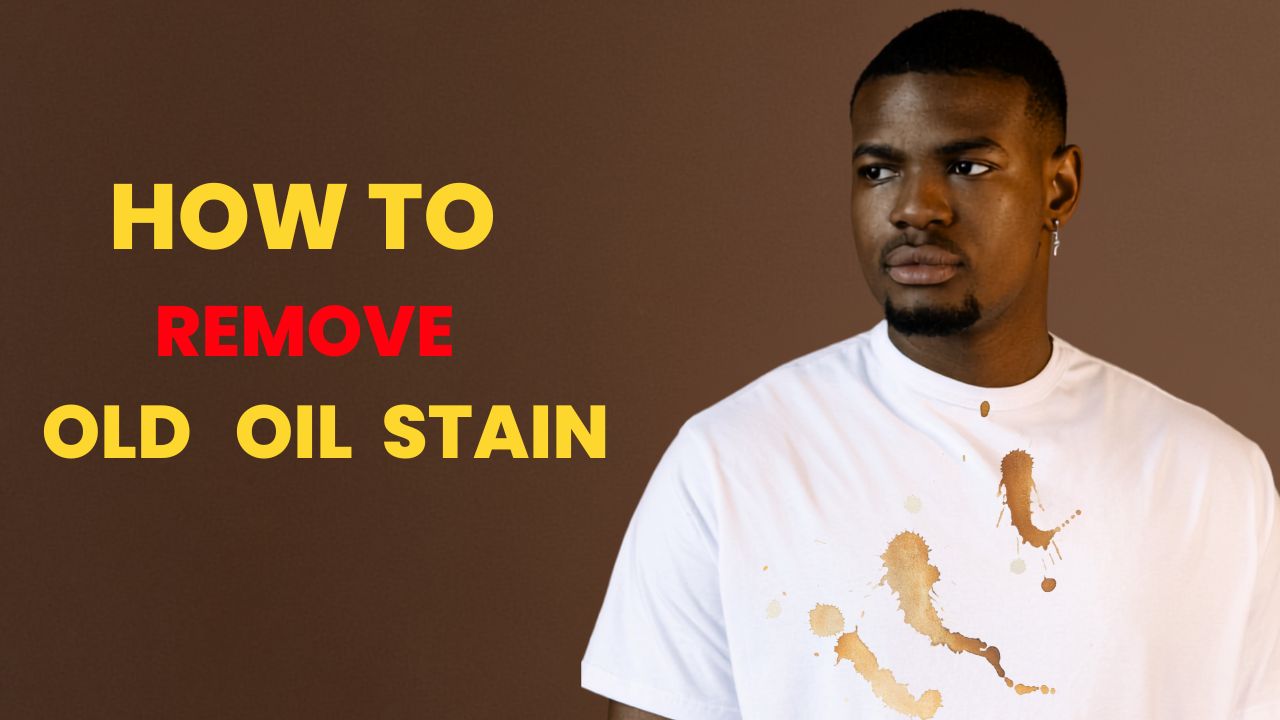
If you want to remove old oil stains at home quickly, the right supplies and the right technique make all the difference. A spot cleaner or Dishwashing liquid with strong power to remove stains. offers a quick and effective way to get rid of stubborn stains before they become permanent. Start by Removing as much residue as possible, work the cleaner into the fabric, then continue with your normal laundry routine. Before drying, inspect the fabric carefully because heat can lock in stubborn marks, especially on colored fabrics. If needed, repeat the treatment after washing for an easy result without damaging the material.
Removing Stubborn Oil Stains from Everyday Clothes
Last week, while folding a pile of dark-colored clothes, my kids had brought home from college, I noticed a few small dark spots on my daughter’s favorite black t-shirt. I immediately knew I was dealing with oil stains, and my first reaction was, ugh. I started thinking whether it was a food spill, or if it had somehow came from a washing machine overloaded with clothes, or maybe I had added too much laundry detergent. That experience reminded me how oil stains are sneaky and easy to overlook, even when clothes look clean.
Good News About Treating Old Oil Stains
The good news is that old oil stains are pretty easy to treat when you act with the items you already have in your kitchen and laundry room. With a little patience and the correct cleaning method, even stains that seem impossible can often be removed without expensive products. I have found that checking garments before they go into the dryer and treating suspicious spots right away saves both time and favorite clothes.
Supplies You’ll Need to Remove Old Oil Stains
Liquid dish detergent
The kind used for handwashing dishes is often my first recommendation in any cleaning tutorial because it contains surfactants that lift oil from fabric fibers, making removing old oil stains much easy than many people expect. Unlike regular laundry detergent, Dish Detergent is perfect for treating fresh and set stains, whether on darks or lights. My preference is Free Generation because it contains no bleaching agents, so it works well for any fabric where oil becomes difficult to remove without fading the color.
Laundry detergent
For my regular Laundry routine, I prefer Biokleen Laundry detergent because it contains surfactants and enzymes that break down tough stains, including oil and grease, making stain removal much more effective. My go to choice is Biokleen Free & Clear Detergent because it is made with plant-based cleaning ingredients, its formula is fragrance- and dye-free, and that makes it a reliable option for a gentle cleaning routine while still delivering the power of Laundry surfactants on stubborn oil stains.
Small laundry brush or soft toothbrush
When treating old oil stains, I always pair detergent with a small laundry brush or soft toothbrush because this simple tool is a real game-changer for tackling stains. It helps work cleaning agents deep into the fabric’s fibers, allowing stain removers to target the stain from every angle. If a dedicated laundry brush is not available, I have often used a clean toothbrush as a substitute, and it still helps loosen stubborn oil marks without being too harsh on the fabric.
Water
For old oil stains, cool Water is my preferred choice because it is a universal solvent that carries stain remover into the fabric fibers without being too harsh on delicate materials like silk. When working the cleaner through the fabric, you don’t need much, just enough Water to create a good lather and help it stick to the fibers. I also avoid hot water because cool water protects the fabric fibers from problems like shrinking while allowing the cleaner to reach the fibers more effectively.
Step-by-Step Directions for Removing Oil Stains
1. Prep the Area:
Before treating oil stains, old oil stains, or a fresh grease stain, place the clothing, clothes, or garment on a flat surface and protect the surface by putting a plate or another surface underneath the stained area. This simple step helps protect surface underneath from moisture and prevents a damaged surface, especially when working with fabric, delicate fabrics, or other sensitive material.
2. Apply Dish Detergent
Start by apply dish detergent directly over the stain using about half teaspoon of dish detergent. Use your fingertips to rub and gently rub the cleaner over the affected spot so it begins to break down the grease. I have found this step works especially well for grease stains, oil spills, and even new oil spills before they become harder to remove.
3. Apply Laundry Detergent:
Next, apply laundry detergent by adding a small layer of liquid laundry detergent or your regular laundry detergent over the treated area. The extra detergent improves grease removal, supports stain removal, and speeds up grease breakdown as well as stain breakdown before washing.
4. Add Water & Scrub:
Now add water by using a small amount of water to dampen the area, then use a laundry brush or toothbrush to scrub while you gently scrub the fibers. Continue scrubbing to work detergent into fabric and work water into fabric until the cleaner reaches deep into the stain.
5. Let It Sit:
After scrubbing, let it sit for the recommended dwell time. For most stains, 15 to 30 minutes is enough, while stubborn marks may benefit from soaking or soak for 12 to 24 hours. If needed, fold garment carefully to keep the wet spot from dry out before treatment is complete.
6. Launder as Usual:
Once the treatment has finished, launder the item as you normally wash it in the washer, following the label directions. If you are cleaning stain treated items or multiple stain treated items, avoid adding too much detergent because excess detergent can create excess suds, making the washing process less effective. If necessary, use the rinse setting or a second rinse cycle to remove any leftover residue before placing the item in the washer and dryer.
7. Air Dry
Finish by air dry instead of using the dryer right away. Air drying lets you confirm the stain is completely gone, helps eliminate grease, keeps your clothes looking fresh, and can avoid damaging the material if another treatment is needed.
How to Remove Old Oil Stains from Clothes:
If an old stain remains after washing, avoid placing the item in the dryer because heat can make it much harder to fully remove. From my experience, it is better to repeat the process several times Without washing, the garment between treatments only when appropriate for the method you are using, until the stain fades completely.
How to Prevent Damage When Removing Stains:
To prevent damage while removing stains, always test your detergent on a small area or inconspicuous area before treating the full stain. This is especially important for delicate fabrics and other sensitive fabrics. Instead of aggressive scrubbing, scrub gently and work the detergent into the stain to improve stain removal without weakening the fabric.
How to Remove Fresh Oil Stains:
For fresh oil stains, act as quickly as possible by using a paper towel or clean cloth to blot and absorb excess grease from oil spills on clothes. Then apply dish detergent using direct application, allow it to begin grease removal and stain removal, rinse with warm water, and continue pretreating before washing. This method works well for a fresh stain, helps treat an oil stain, and is one of the easiest ways to remove fresh oil stains.
How to prevent oil stains on laundry
The best way to prevent oil stains and stubborn grease stains is to build smart laundry habits before they become a grease disaster. In my experience, successful oil stain prevention comes from careful handling, a little handling know how, and choosing the right products for effective laundry care. Focusing on stain prevention every time you wash clothes not only helps in preventing grease stains but also keeps future oil stains from becoming difficult to remove.
1. Don’t Overuse Fabric Softener Sheets or Scented Additives
One habit that has helped me reduce stains and greasy stains is checking my clothes after cooking or a greasy project. Before washing, I always inspect laundry, pretreat stained areas with a small amount of dish soap or laundry detergent, then check stains again before drying. This simple routine improves stain removal, helps ensure stains are removed, prevents fresh stains from setting, and keeps them out of the dryer too soon.
2. Skip the Liquid Fabric Softener:
I usually skip fabric softener because liquid fabric softener and even regular fabric softener can leave residue that makes greasy stains and oil spots harder to treat. Instead, I substitute white vinegar during the rinse cycle, which supports better fabric care, cleaner laundry, and overall stain prevention.
3. Check for Stains Before Washing
Before every load of laundry, I inspect laundry carefully, especially after cooking or working on a greasy project. If I notice stains or greasy stains, I pretreat or pretreat stained areas using dish soap, laundry detergent, or another detergent. Taking a moment to remove stains, check stains, and focus on stain removal before washing helps stop fresh stains from reaching the dryer during drying.
4. Avoid Drying Until the Stain is Gone
Never rush into drying if a stain or grease stain is still visible after washing. The dryer heat can set the stain, making stain removal much harder to remove. I always line dry the item first, then re treat or re treat the stain and wash again if I find a persistent stain, waiting until the stain is gone before machine drying.
5. Pre-treat Stains Immediately
For oil spills, I quickly blot the affected garment with a paper towel or cloth to soak up excess oil. Then I sprinkle baking soda or cornstarch to absorb grease, apply dish detergent, pretreat the stain, rinse with warm water, and continue washing. Acting early improves both stain removal and grease removal, making an oil stain much easier to handle.
6. Wash Greasy Items with the Hottest Water Possible:
For greasy items, always check the care label before choosing the water temperature. If the fabric allows it, wash clothes using the hottest water or hot water because a higher water temperature helps break down grease and supports dissolving oils. For delicate fabrics, warm water is often safer, while cold water may not clean heavy grease or oils as effectively.
7. Avoid Overloading the Washing Machine
Overloading the washing machine is a mistake I try to avoid because overloading the washer prevents detergent from circulating properly. Poor detergent circulation reduces stain removal, leaving grease stains, particles, and residue behind. An overloaded washer also limits the movement of clothes and laundry, making it harder for items to be cleaned thoroughly, especially if fabric softeners or scent boosters are used.
FAQ About Old Oil Stains
Can you get old oil stains out of clothes?
Yes, old oil stains can often be removed with liquid laundry detergent, dish soap, and proper pretreatment to break down oil residue.
What takes old oil out of clothes?
Dish soap, baking soda, and stain remover can help lift old oil from fabric fibers when given enough time to work.
Can you get years old stains out of clothes?
Years-old oil stains may be harder to remove, but enzyme detergent, soaking, and repeated stain treatment can improve results.
Can oil stains be removed once dried?
Yes, dried oil stains can still be treated using degreasing agents, laundry detergent, and gentle scrubbing before washing.
Conclusion
Removing old oil stains from clothes doesn’t have to be difficult when you use the right method, treat the stain early, and avoid heat until you’re sure it has disappeared. With simple household products and a little patience, you can restore most garments without damaging the fabric. If you’re also dealing with kitchen messes, be sure to read our guide on how to remove cooking oil stains from clothes for step by step tips that target fresh and stubborn cooking oil spills.









1 thought on “How to Remove Old Oil Stains from Clothes”