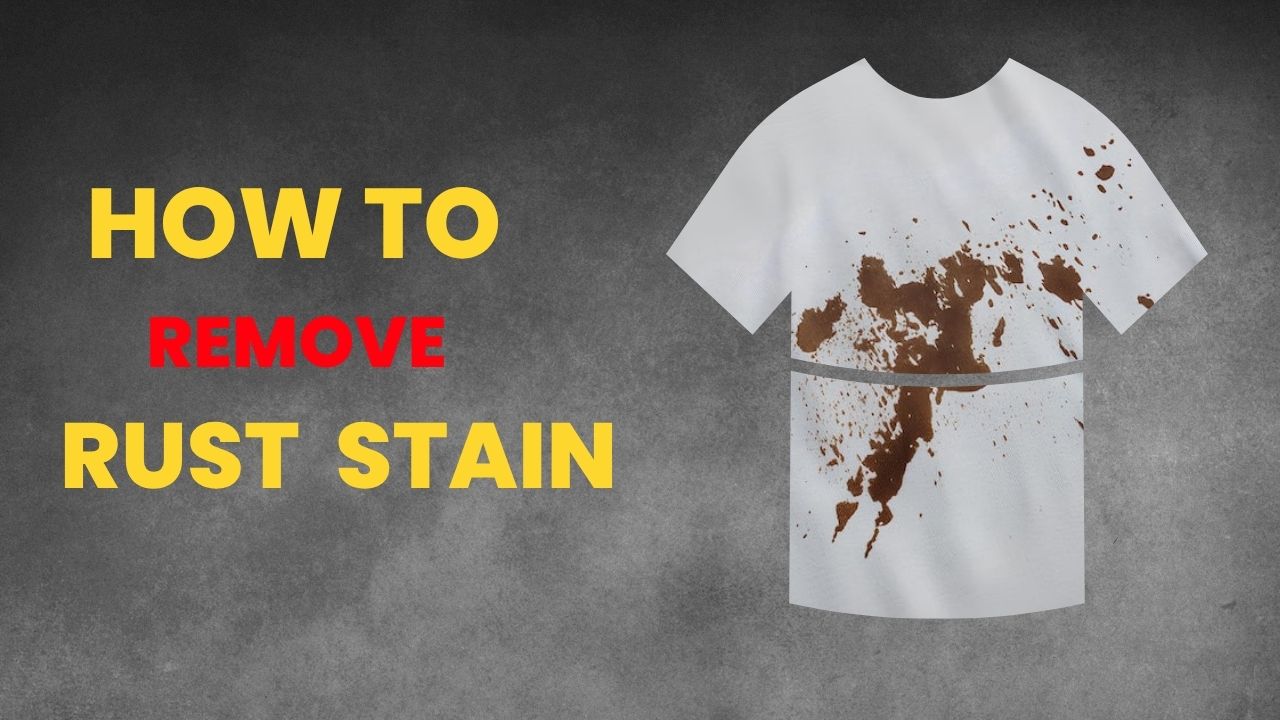
The safest way to deal with rust stains is to act before the iron oxide bonds deeply with the fabric. From my experience restoring everyday clothes, checking the fabric care label first prevents costly mistakes because different fibers react differently to cleaning products. Focus on remove rust stains safely by using a fabric-safe cleaning approach instead of harsh chemicals, and never mix treatments with chlorine bleach, as it can worsen permanent discoloration caused by rust. If the stain came from hard water or rusted metal, treat only the affected area, rinse thoroughly, and continue with normal laundry care to protect the garment. Following good garment care, regular rust stain prevention, and proper washing habits will help keep your clothing looking clean without damaging the material.
What’s the Best Way to Remove Rust Stains From Clothes?
The most reliable way to remove rust stains quickly is to apply lemon juice and salt directly to the rust stain, allowing the natural citric acid to loosen the stain before gently rinsing with cold water. If the mark remains, use a commercial rust remover or an oxygen-safe stain remover designed for fabric, especially when dealing with delicate fabrics, then rinse before washing with your regular laundry detergent. In my experience, a fabric-safe treatment works far better than aggressive scrubbing, and it is always best to avoid chlorine bleach and avoid heat drying until the stain removal process is complete, as both can make the stain much harder to eliminate.
Why Are Rust Stains So Difficult to Remove?
Unlike everyday spills, rust stains are a non-organic stain formed when iron oxide develops through oxidation and creates a strong chemical reaction with fabric fibers, making ordinary stain removal much more challenging. I have found that once iron deposits settle into the material, they often leave visible fabric discoloration, and this mineral stain becomes difficult to lift because of the natural detergent limitation of standard cleaning products.
What Causes Rust Stains on Clothes?
Most rust stains begin when iron oxide from hard water, a rusted washing machine, old pipes, wet tools, wire hangers, or metal furniture transfers onto fabric. Over time, metal corrosion, moisture exposure, fabric contamination, iron residue, iron deposits, and mineral deposits combine to create stubborn marks that are much harder to remove than common household stains.
Why Regular Detergent Doesn’t Remove Rust
A regular laundry detergent is designed to break down dirt and oils, but it struggles with iron oxide because it is a mineral stain created by a chemical reaction, not grease or food. Since rust particles are a non-organic stain, the surfactants in detergent cannot dissolve the bonded iron deposits, highlighting the detergent limitation and why an acidic rust remover is usually needed for effective treatment.
Things You’ll Need
| Item | Purpose |
| Lemon juice | Dissolves rust |
| White vinegar | Mild acid treatment |
| Salt | Boosts stain lifting |
| Soft cloth | Blotting |
| Soft brush | Gentle scrubbing |
| Commercial rust remover | Tough stains |
| Laundry detergent | Final wash |
| Cold water | Rinsing |
Step-by-Step: How to Remove Rust Stains From Clothes
For reliable rust stain removal, I always follow a simple step-by-step guide that prioritizes fabric care, proper stain treatment, and long-term garment care. This fabric-safe method makes the cleaning process easier while improving the chances of effective rust removal throughout the entire rust removal process.
Step 1 – Blot Loose Rust
Start by removing any loose rust from the fabric surface with a paper towel or soft cloth. Blot gently, avoid rubbing, and lift away rust particles carefully to prevent stain spread before applying any cleaner.
Step 2 – Apply Lemon Juice
Cover the rust stain completely with lemon juice so the citric acid can reach the affected fabric fibers. This natural stain treatment uses natural acid for complete coverage, helping begin the stain breakdown without being too harsh on the fabric.
Step 3 – Sprinkle Salt
Sprinkle salt evenly over the damp area, allowing the sodium chloride to work with the lemon juice. This combination provides mild abrasion, supports acid activation, and helps with lifting rust particles while loosening any remaining rust residue.
Step 4 – Let It Sit
Allow enough dwell time for the solution to work on the rust stain, leaving it on the fabric for 10–30 minutes. In my experience, this waiting period gives the citric acid enough time for effective stain loosening.
Step 5 – Rinse Thoroughly
Flush the treated area with cold water until all rust residue is removed from the fabric. Using clean water and thorough rinsing ensures proper residue removal before laundering.
Step 6 – Wash Normally
Wash the garment with your regular laundry detergent using the recommended wash cycle on the fabric care label, then choose air drying so you can inspect stain results first. Always avoid tumble drying, avoid heat drying, and repeat treatment if needed if any trace of rust remains.
How to Remove Old Rust Stains From Clothes
Older old rust stains require a little more patience because the iron oxide has had time to bond deeply with the fabric. In my experience, starting with a dedicated rust stain remover provides the best stain treatment, while a commercial rust remover is often the right choice for stubborn rust stains that do not respond to home remedies. If you prefer a gentler option, an oxygen-safe cleaner can help lift lingering marks without harming most fabrics, although repeated application is sometimes necessary to achieve the best results on particularly stubborn stains.
Best Home Remedies for Rust Stains
When treating rust stains, I usually recommend starting with home remedies before reaching for stronger chemicals. Using common household ingredients often provides a natural stain remover that supports effective stain treatment while protecting delicate fabrics. A fabric-safe solution such as lemon juice or vinegar promotes chemical-free cleaning and can be an excellent option for DIY rust removal. Over the years, I have found that a simple household cleaning solution prepared at home is often enough for fresh stains, making a DIY rust stain remover a practical first step that supports better fabric care without exposing clothing to unnecessarily harsh products.
Lemon Juice and Salt
I have had the best results on fresh rust stains by combining lemon juice with salt, as the citric acid creates an acidic solution that encourages stain breakdown without being overly harsh. This simple natural remedy works as a natural rust remover, providing a reliable fabric-safe treatment for most washable garments when applied gently and rinsed thoroughly.
White Vinegar
For light rust stains, white vinegar is another dependable choice because its acetic acid acts as a mild acidic cleaner that loosens rust from the fabric. In my experience, it delivers effective natural stain removal while remaining gentle enough for routine laundry care.
Baking Soda (When It Helps—and When It Doesn’t)
Although baking soda is useful during pre-cleaning, it has limited effectiveness on rust because it is an alkaline cleaner rather than an acid. I mainly use it to lift loose rust residue from the fabric before applying a stronger stain treatment.
Cream of Tartar Paste
A paste made with cream of tartar is a gentle option for rust stains because the tartaric acid helps loosen the stain without excessive scrubbing. Careful paste application allows this mild stain remover to provide effective gentle cleaning on many fabrics.
Commercial Rust Remover
When home methods are not enough, a commercial rust remover containing oxalic acid is often the most effective solution for stubborn rust stains. For proper fabric care, use it as a heavy-duty treatment and always follow label instructions to avoid damaging the garment.
How to Remove Rust Stains From Different Fabrics
The best way to remove rust stains depends on the fabric type, as each material responds differently to stain treatment. Before using any cleaner, I always check the fabric care label and follow the recommended washing instructions to avoid unnecessary damage. Testing for colorfastness on a hidden area is a habit that has saved several garments from fading, especially when working with delicate fabrics. Choosing the right cleaning method and a gentle cleaning method when needed helps protect the material while supporting proper garment care, making effective fabric care much easier in the long run.
Cotton
Because cotton fabric contains absorbent fibers, rust stains can settle quickly if left untreated. I recommend immediate stain pretreatment, followed by a quality laundry detergent before washing, and since most cotton garments are machine washable, prompt care usually delivers the best results.
Polyester
With polyester fabric, the synthetic fibers have low-absorbency, so rust stains often remain closer to the surface. A mild cleaner and gentle washing routine help protect the fabric while maintaining proper fabric care.
Denim
Removing rust stains from denim requires extra attention because the heavy fabric can trap stains, and the indigo dye may fade with aggressive cleaning. I prefer careful spot treatment to maintain color protection while targeting only the affected area.
White Clothes
On white clothes, rust stains can leave noticeable discoloration, so I typically use a dedicated stain remover followed by a brightening treatment. Choosing a color-safe cleaner helps restore brightness without damaging the fabric.
Colored Clothes
For colored clothes, preserving the fabric dye is just as important as removing rust stains. Always perform a patch test on colorfast fabric first to ensure effective cleaning while maintaining color protection.
Linen
Since linen fabric is made from natural fibers, it benefits from delicate care when treating rust stains. A gentle cleaning approach followed by air drying has consistently worked well for me without weakening the fabric.
Silk
Because silk fabric is made of protein fibers, even small rust stains should be handled with care. Use a pH-balanced cleaner designed for delicate fabric, and always perform spot testing before treating the visible stain.
Wool
With wool fabric, protecting the natural fibers is essential when removing rust stains. I recommend gentle care, washing with a cold water wash, and using a wool-safe detergent to clean the garment without causing shrinkage or damage.
Common Mistakes That Make Rust Stains Worse
Small common mistakes can turn minor rust stains into permanent marks, so I always recommend reading the fabric care label before starting any stain removal. The biggest errors include using chlorine bleach, washing with hot water, heat drying the garment before the stain is gone, harsh scrubbing, and chemical mixing, all of which can increase fabric damage or make rust harder to remove. In my experience, it is especially important to avoid chlorine bleach, even if you have successfully used it on an ink stain, because rust reacts differently and bleach often makes the discoloration worse instead of removing it.
How to Prevent Rust Stains on Clothes
The easiest form of rust stain prevention is keeping your clothes away from common sources of rust before stains appear. From my experience, regularly checking the washing machine for rust, reducing hard water buildup, replacing old metal hangers, and removing iron deposits during routine laundry maintenance make a noticeable difference. Good moisture control, rust-free storage, and a consistent fabric care routine also help protect garments while supporting better fabric care. These simple habits not only reduce the risk of rust but can also help prevent issues like a yellow stain caused by poor storage or mineral buildup.
Frequently Asked Questions
How do you get dried rust stains out of clothes?
Treat dried rust stains with a rust stain remover or a mixture of lemon juice and salt, then rinse and wash according to the fabric care label. Repeat the treatment if the stain remains.
Does vinegar remove rust stains?
Yes. White vinegar contains acetic acid, which can help loosen light rust stains and support natural stain removal on many washable fabrics.
How do you get rust stains out of colored clothes?
Use a color-safe cleaner or a fabric-safe treatment, and always perform a patch test first to protect the fabric dye and maintain color protection.
Does rust permanently stain?
Not always. Fresh rust stains are usually easier to remove, but old iron oxide stains can cause permanent discoloration if left untreated or exposed to heat drying.
Does salt remove rust?
Salt alone is not very effective, but when combined with lemon juice, the citric acid helps break down rust, making it a reliable natural rust remover for fresh stains.
Final Thoughts
Removing rust stains doesn’t have to ruin your favorite clothing if you use the right method for the fabric and act quickly. Whether you choose natural solutions like lemon juice and salt or a commercial rust remover for tougher stains, following fabric-safe techniques, avoiding common mistakes such as chlorine bleach and heat drying, and treating each fabric appropriately can make a significant difference. With proper stain removal, routine garment care, and a few preventive habits, you can keep your clothes free from rust stains while preserving their color, texture, and overall quality for years to come.