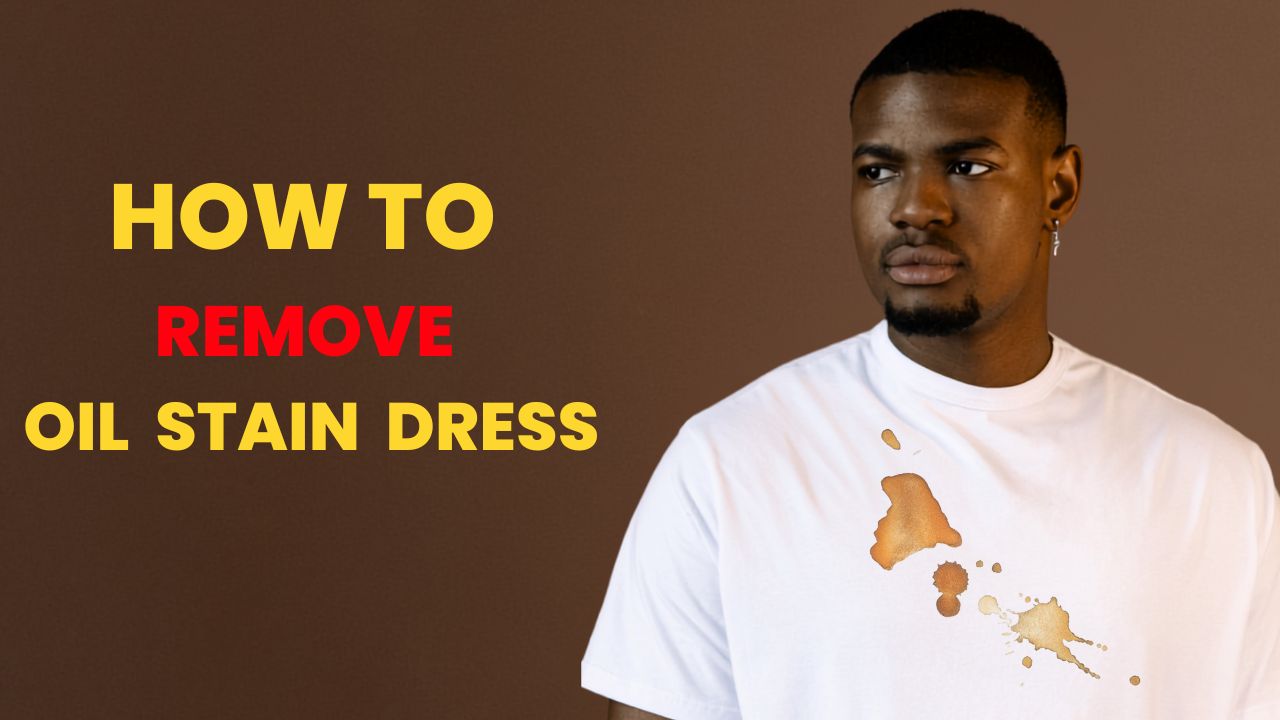
A fresh oil stain on a dress may seem impossible to remove, but quick action usually delivers the best results. From my experience, blotting the spill instead of rubbing it prevents the grease stain from sinking deeper into the fabric and protects the garment from unnecessary damage. Before washing, use an absorbent powder to lift the oil, then follow proper laundry care instructions. This approach works well for most clothing, especially a washable dress, and is one of the easiest ways to remove oil stain from dress while maintaining good fabric care, even when dealing with delicate fabric.

Before drying, always check if the oil spot on dress has completely disappeared because heat can make a grease stain on dress much harder to remove. If the stained dress still shows marks, repeat the treatment instead of increasing the washing temperature. I often prefer to remove grease naturally with baking soda or cornstarch before washing, as they help absorb excess oil without being harsh on the material. This simple method supports effective dress oil stain removal and helps clean oil stain safely while preserving the look and feel of the dress.
Why Oil Stains Are Hard to Remove from a Dress
An oil penetrates fabric because tiny oil molecules slip deep into fabric fibers, where grease binds to fibers and leaves an oily residue that is difficult to wash away. Whether it is a cotton dress, polyester dress, silk dress, or satin dress, the fabric weave and the nature of an absorbent fabric determine how fast the stain can absorb quickly and turn into a stubborn stain. In my experience, waiting too long increases the risk of fabric damage, especially with delicate clothing, because the stain becomes permanent once the oil settles into the fibers.
Things You’ll Need
Before treating an oil stain, gather the right cleaning supplies to make the process faster and safer for your dress. I usually start with a paper towel to blot excess oil, then apply an absorbent powder like baking soda or cornstarch to lift the grease before using dish soap or another grease-cutting soap. For stubborn marks, a stain remover or fabric-safe cleaner, along with liquid laundry detergent, a soft toothbrush, cold water, and a microfiber cloth, helps loosen the stain before finishing the wash in a washing machine. Most of these household ingredients are inexpensive yet highly effective when used correctly.
Step-by-Step Guide to Removing Oil Stains from a Dress
To remove oil stain effectively, start by using a paper towel to blot excess oil without rubbing, then sprinkle baking soda to absorb grease before brushing it away. Apply dish soap directly to the spot as part of the stain treatment, gently work it into the fabric, and rinse with cold water. Next, check the care label and wash the dress with laundry detergent using the recommended settings. From my experience, following this simple cleaning process is the most reliable oil removal method to remove fresh stain while ensuring gentle cleaning that keeps the fabric looking its best.
Step 1: Blot the Excess Oil
As soon as the spill happens, use a paper towel, clean cloth, or napkin to blot the stain and absorb excess oil from the surface. I never scrub because it is important to avoid rubbing, which helps lift surface oil and prevent spreading into the surrounding fabric.
Step 2: Sprinkle Baking Soda
Cover the stained area with baking soda, cornstarch, or baby powder to absorb grease and soak up oil. Each natural absorbent works by pulling out the remaining grease and helping remove oily residue before washing.
Step 3: Let It Sit
Leave the absorbent powder on the fabric for several minutes so it can allow to absorb the remaining oil residue. This simple pause helps loosen grease, improves the stain lifting process, and reminds you to wait before washing for better results.
Step 4: Brush Off the Powder
Use a soft toothbrush or cleaning brush to remove powder residue with light strokes. Always brush gently to avoid damaging fabric, especially when working with delicate materials.
Step 5: Apply Dish Soap
Add a few drops of dish soap or a grease-cutting detergent directly onto the stain. I gently massage it into the fibers to break down grease, letting the grease-cutting formula work into fabric like a reliable stain remover before rinsing.
Step 6: Wash According to the Care Label
Read the care label before placing the dress in the washing machine with laundry detergent and cold water. Always follow washing instructions, choose a fabric-safe wash, use a gentle cycle, and stick to the recommended temperature to protect the garment.
Step 7: Air Dry the Dress
Place the dress on a drying rack and air dry it instead of using the dryer right away. Before exposing it to sunlight or any heat source, inspect stain carefully, avoid heat, prevent permanent stain, and always check before drying to ensure the oil mark is completely gone.
Common Mistakes to Avoid
One of the biggest mistakes I see is using hot water, a dryer, or an iron too soon because heat sets stains, making an oil mark much harder to remove. Another common error is rubbing the stain, which often pushes the grease deeper into the fibers and increases the risk of fabric damage. Avoid using bleach unless the care instructions specifically allow it, and never rely on an incorrect cleaning method or wash the dress in a washing machine before properly treating the spot, as these mistakes can leave behind a permanent grease stain.
Do Different Dress Fabrics Need Different Care?
Yes, every fabric type responds differently to oil stains, so the cleaning method should match the material. A cotton dress and polyester dress can usually handle gentle washing, while a silk dress, satin dress, linen dress, or rayon dress often requires extra care because they are considered delicate material or specialty fabric. From my experience, following the care instructions is the safest way to avoid damage, and in some cases, professional cleaning is the best option. If you’re also dealing with denim stains, you may find our guide on How to Remove Oil Stain from Jeans helpful.
When Should You Take a Dress to a Dry Cleaner?
If the stain is on a wedding dress, evening gown, designer dress, embellished dress, or vintage dress, I recommend visiting a dry cleaner instead of trying aggressive home treatments. These items are often considered a specialty garment or delicate clothing, so professional stain removal through a trusted dry cleaning service is usually the safest way to protect the fabric and finish.
Tips to Prevent Oil Stains on Dresses
The easiest stain to remove is the one you prevent. Wearing an apron while cooking, carrying a stain remover pen for immediate stain treatment, storing dresses in a garment bag, and applying a fabric protector when appropriate can help prevent grease stains. From my experience, a little clothing maintenance, taking care to avoid spills, and making an effort to protect fabric can keep your favorite dresses looking fresh for much longer.
Frequently Asked Questions
Q1. How to remove dried oil stains from dress?
If an oil stain has dried or become set in, apply liquid dish soap or a degreaser, gently scrub the area with a toothbrush, let it sit, then rinse with warm water before washing according to the care label. These are some of the most effective stain removal tips for stubborn grease.
Q2. Can oil stains be removed once dried?
Yes, can oil stains be removed after drying? In many cases, yes. Using baking soda to absorb hardened oil, followed by dish soap, can loosen hardened grease before washing. The key is treating the fabric carefully instead of using strong cleaners immediately.
Q3. How to take oil out of a dress?
Start by applying baking soda to absorb fresh oil, then use dish soap to break down the grease. Rinse with cold water and machine wash dress only after checking the care label. This method works well for most washable fabrics.
Q4. Does baking soda work on oil stains?
Yes, does baking soda work? It is excellent for soaking up fresh oil before washing and helps reduce the stain so detergent can remove it more effectively, especially when followed by cold water and proper washing.
Q5. Should I use hot or cold water for oil stains?
For most fabrics, hot or cold water depends on the care instructions, but cold water is generally the safer choice because it helps prevent the stain from setting before the washing machine finishes the cleaning process.
Conclusion
An oil stain doesn’t have to ruin your favorite dress if you treat it the right way and as soon as possible. Using simple methods like blotting excess oil, applying baking soda, cleaning with dish soap, and washing according to the care label can remove most fresh and even dried stains without harming the fabric. Choosing the correct approach for different dress materials, avoiding common mistakes such as using heat too early, and knowing when to seek professional dry cleaning will help protect your clothing. With these practical tips and proven techniques, you can confidently handle oil stains and keep your dresses looking clean, fresh, and ready to wear.










1 thought on “How to Remove Oil Stain from a Dress”