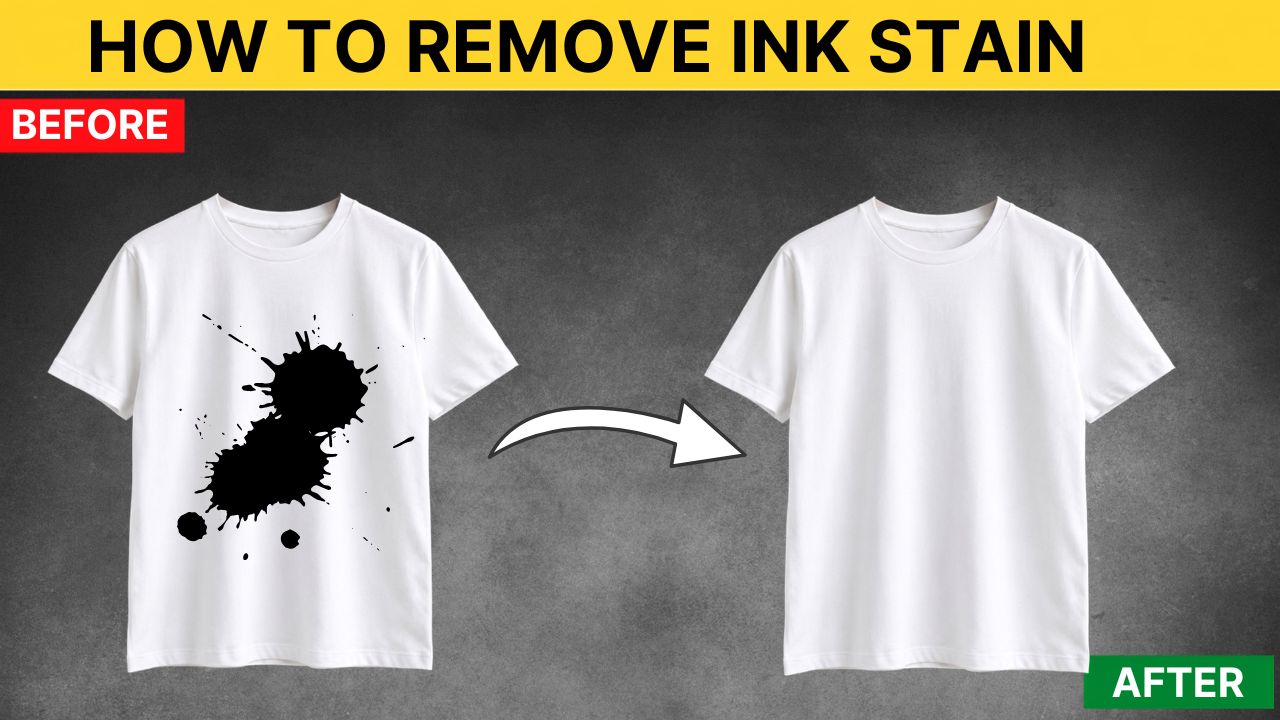
The best way to remove an ink stain from clothing is to match the cleaning method to the type of ink and act before it settles into the fabric fibres and textile fibres. In my experience, treating a fresh ink stain from a ballpoint pen, fountain pen, gel pen, permanent marker, or washable marker immediately gives the highest success rate, while a dried ink stain usually needs extra pretreatment before washing. Start by blotting with a paper towel, white cloth, or absorbent cloth instead of rubbing, then apply rubbing alcohol or isopropyl alcohol to loosen ink residue and reduce stain penetration. Follow with liquid laundry detergent or a suitable stain remover, rinse with cold water, and complete the stain treatment during regular laundry while following proper care instructions for the fabric and other garments.
What’s the Best Way to Remove Ink Stains from Clothes?
The best way to remove an ink stain is to treat a fresh ink stain immediately by blotting it with a paper towel or white cloth, applying rubbing alcohol, then washing with liquid laundry detergent. This method helps lift ink residue from fabric fibres before it sets, making the stain removal process more effective on washable fabrics. For the best results, rinse with cold water, use a suitable stain remover if needed, always check the fabric care label, and allow air drying before confirming the stain is gone, ensuring proper fabric care throughout the process.
What Should You Do Immediately After Ink Gets on Clothes?
The first few minutes after an ink stain appears are the most important for successful ink removal process. Whether the mark comes from a ballpoint pen, fountain pen, gel pen, permanent marker, water-based ink, or oil-based ink, acting quickly limits stain penetration into textile fibres and reduces stain absorption. Identify whether the stain contains dye, pigment, or solvent, then begin stain treatment with gentle blotting instead of rubbing. Use a paper towel, white cloth, absorbent cloth, cotton swab, or clean sponge, apply rubbing alcohol or a suitable cleaning solution if appropriate, and follow with stain remover, laundry detergent, and cold water for effective pretreatment. Always check the fabric care label before treating any fabric, clothing, or garment, especially if it is a washable fabric or delicate fabric, to avoid colour transfer, fabric damage, or stain setting. Finish by following proper laundry care, fabric protection, textile care, garment care, using the washing machine only when safe, and choose air drying until the stain has completely disappeared.
Blot the Ink Without Rubbing
As soon as an ink stain appears on your clothing or garment, treat it as a fresh ink stain by placing a towel underneath the affected fabric and gently blot immediately using a paper towel, white cloth, absorbent cloth, cotton towel, clean cloth, or other absorbent material. Apply soft pressure or gentle pressure to absorb surface ink, excess ink, and absorb moisture without disturbing the fabric fibres, using a clean section of cloth each time. From my experience, this simple stain removal technique is the best initial stain treatment because it supports stain lifting, reduces stain absorption, limits stain migration and stain penetration, helps prevent spreading, protect fabric, minimises fabric damage, and keeps controlled cleaning effective before the next stage of the ink removal process.
Check the Care Label Before Treating
Before applying any cleaning solution, rubbing alcohol, stain remover, laundry detergent, or cold water, always read the care label, garment label, fabric care label to understand the laundry symbols, washing instructions, care instructions, fabric composition, and fibre content. Whether the material is cotton, polyester, nylon, linen, silk, wool, rayon, spandex, or elastane, or even dry-clean-only clothing, checking the bleach symbol, recommended washing temperature, and manufacturer instructions helps you choose a safe cleaning method and fabric-safe treatment. I also recommend performing a patch test in a hidden test area to confirm colourfastness, especially on delicate fabric, as it reduces the risk of shrinkage, colour fading, and improves stain removal safety while selecting the correct washing cycle for reliable textile care and long-term garment maintenance.
Avoid Heat Until the Stain Is Gone
Keep heat, hot water, the clothes dryer, tumble dryer, ironing, and the iron away from the affected area until the stain removal process is complete because ink pigment, dye molecules, stain residue, and residual ink can bond more deeply with fabric fibres and textile fibres, causing heat setting and a permanent stain. I always recommend air drying or natural drying, inspecting the stain carefully after each repeat treatment, and delaying the drying cycle until stain inspection confirms stain removal success. Avoiding heat exposure, avoid tumble drying, and avoid ironing greatly improves ink removal, supports proper fabric care, prevents fabric damage, and offers better garment protection throughout the cleaning process.
Why Do Ink Stains Stick to Fabric?
An ink stain clings to fabric because its dye, pigment, resin, and solvent are designed to bond with surfaces, making stain chemistry more complex than many people realise. Whether the ink comes from oil-based ink, water-based ink, gel ink, or ballpoint ink, tiny ink particles are pulled into textile fibres through capillary action, where absorption, adhesion, and molecular bonding allow them to settle deep inside the fabric weave and fibre structure. The process varies with fabric composition, as cellulose fibres, cotton fibres, polyester fibres, and nylon fibres absorb ink differently depending on fabric absorbency, porous fabric, and fibre pores. As moisture and the solvent evaporate, oxidation increases stain penetration, leaving behind ink residue that bonds to the textile surface, improves colour retention, and can eventually become a permanent stain, especially after heat exposure. From my experience, understanding this reaction makes stain removal easier because the right laundry detergent, suitable cleaning agents, and proper fabric care can interrupt the bonding process before the stain becomes permanent.
How Ink Penetrates Fabric Fibres
Ink penetration begins when liquid ink is drawn through fabric fibres and textile fibres by capillary action, allowing ink molecules, dye molecules, and pigment particles to move through tiny fibre gaps in a porous material. On an absorbent fabric, liquid absorption happens quickly, while oil-based solvent and water-based ink interact differently with the fabric weave, fibre structure, and textile composition. As surface tension spreads the ink, molecular attraction and fibre bonding increase stain adhesion, encourage stain migration, and deepen stain absorption, often creating a deep-set stain that follows the fabric texture. Added moisture absorption can make the stain travel even farther, increasing cleaning difficulty if treatment is delayed.
Why Dried Ink Is Harder to Remove
A dried ink stain or set-in stain is much more difficult to clean because solvent evaporation and oxidation leave behind dried pigment, dried dye, and ink residue that form stronger molecular bonding with fabric fibres and textile fibres. This stain fixation increases stain adhesion, fibre penetration, and leaves residual ink, turning the mark into a stubborn stain or even a permanent stain, especially after heat setting from hot water, a clothes dryer, tumble dryer, or ironing. In my experience, improving the stain removal process starts with rehydrating the stain, followed by careful pretreatment using rubbing alcohol, a suitable stain remover, and laundry detergent before repeating the wash if needed. Finish with air drying until you’re certain the stain is gone, as this improves cleaning effectiveness, supports better stain lifting, reduces washing difficulty, prevents unnecessary fabric damage, and helps minimise stain persistence.
Different Types of Ink and the Best Removal Method
Different ink types require different cleaning approaches because each ink formulation, ink composition, and ink chemistry interacts with fabric fibres and textile fibres in its own way. Whether the stain comes from ballpoint ink, fountain pen ink, gel pen ink, permanent marker ink, or washable marker ink, identifying whether it is oil-based ink, water-based ink, pigment-based ink, dye-based ink, or solvent-based ink helps you choose the right stain removal method. I always begin by checking fabric absorbency, testing colourfastness with a patch test, and treating a fresh ink stain before it becomes a dried ink stain. The right combination of an alcohol-based cleaner, rubbing alcohol, liquid laundry detergent, stain remover, or another suitable cleaning solution improves stain treatment, reduces stain penetration, loosens ink residue, supports stain lifting, and makes pretreatment, laundry care, fabric care, and the overall stain removal technique far more effective on cotton fabric, polyester fabric, and delicate fabrics, especially before solvent evaporation allows the stain to set.
Ballpoint Ink
Because ballpoint ink is an oil-based ink made from viscous ink, ink paste, dye, pigment, resin, and an organic solvent, it often creates a stubborn stain that sinks into fabric fibres through stain penetration. I usually start by dabbing the area with rubbing alcohol, isopropyl alcohol, or an alcohol-based cleaner using a cotton swab, then blot with a paper towel or white cloth before applying stain remover and laundry detergent as pretreatment. This method improves stain lifting, removes ink residue, works on both a fresh stain and dried stain, helps prevent colour transfer, supports proper fabric care, and finishes the stain removal process with air drying after a patch test confirms it is safe for washable fabrics.
Fountain Pen Ink
Since fountain pen ink is usually a water-based ink, water-soluble ink, liquid ink, and dye-based ink, it responds best when treated immediately. Flush the stain with cold water under running water, gently continue blotting with an absorbent cloth, and apply liquid laundry detergent or a mild stain remover before washing. This approach protects fabric fibres and textile fibres, works well on cotton fabric and linen fabric, improves stain removal, supports effective pretreatment, encourages stain lifting, removes ink residue, and maintains proper fabric care, laundry care, gentle cleaning, colourfastness, air drying, and overall stain treatment.
Gel Pen Ink
Gel pen ink combines gel-based ink, pigment gel, water-based gel ink, thick ink, and concentrated colour pigments, making it more resistant than standard writing ink. I recommend pretreatment with rubbing alcohol, followed by a quality stain remover and liquid detergent, while blotting with a paper towel or absorbent cloth. This routine helps lift a stubborn ink stain, reduces stain penetration, clears ink residue from fabric fibres and textile fibres, improves stain lifting, and, if necessary, benefits from repeated treatment. Always follow washing instructions, perform a patch test, allow air drying, and monitor the stain removal process for better cleaning effectiveness and long-term fabric care.
Permanent Marker Ink
Removing permanent marker ink is more challenging because permanent ink contains solvent-based ink, waterproof ink, alcohol-based marker compounds, industrial marker resins, strong pigments, and resin that create strong ink bonding with fabric fibres. To tackle this stubborn stain or deep-set stain, I rely on rubbing alcohol, isopropyl alcohol, or a commercial ink remover, followed by stain remover and careful pretreatment. Sometimes repeated application is necessary to improve stain lifting and dissolve ink residue. Always check colourfastness with a patch test, especially on delicate fabrics, then complete the stain removal process with air drying to support textile care, fabric protection, and reduce the risk of creating a permanent stain.
Washable Marker Ink
Most washable marker ink, including children’s marker and school marker products, is a water-based marker, washable ink, non-permanent ink, and dye-based ink, making a fresh stain much easier to remove. Start with cold water, continue blotting using a paper towel, white cloth, or other absorbent material, then apply liquid laundry detergent or a mild stain remover before washing. This process removes ink residue, supports stain lifting, protects fabric fibres, works well on cotton fabric, polyester fabric, and any washable fabric, and can be safely completed in the washing machine with a colour-safe detergent while maintaining proper fabric care, laundry care, pretreatment, stain removal, and air drying.
| Ink Type | Best First Treatment | Works Best On | Avoid |
| Ballpoint Ink | Rubbing alcohol | Fresh & dried stains | Hot water before treatment |
| Fountain Pen Ink | Cold water + liquid laundry detergent | Fresh stains | Rubbing aggressively |
| Gel Pen Ink | Rubbing alcohol + stain remover | Thick, stubborn stains | Heat drying |
| Permanent Marker Ink | Isopropyl alcohol or commercial ink remover | Set-in stains | Using the dryer too soon |
| Washable Marker Ink | Cold water + laundry detergent | Fresh stains | Letting the stain dry |
What You’ll Need
| Essential Supplies | Optional Supplies |
| Liquid Laundry Detergent | Glycerine |
| Rubbing Alcohol | Milk |
| Cotton Balls or Cotton Swabs | Baking Soda |
| White Cloth | Commercial Ink Remover |
| Soft Brush | White Vinegar |
| Cold Water | Gloves |
How to Remove Fresh Ink Stains from Clothes
A fresh ink stain is much easier to remove than a dried one because the ink has not fully bonded with the textile fibres. The key to successful ink stain removal is acting quickly to protect the fabric before the stain spreads through the garment. I always begin with gentle blotting to remove excess ink, using a paper towel, white cloth, or absorbent towel, followed by rubbing alcohol or isopropyl alcohol applied with a cotton ball, cotton swab, or clean sponge. Continue the stain treatment with suitable pretreatment, a quality stain remover, liquid laundry detergent, and cold water while limiting stain penetration and encouraging stain lifting. Before treating any washable fabric or delicate fabric, check the fabric care label, perform a patch test for colourfastness, and use an appropriate cleaning solution. Finish by rinse thoroughly, washing in the washing machine using the correct laundry cycle, allowing air drying, completing a careful stain inspection, and using repeat treatment if stain residue remains. This approach improves the overall ink removal process, protects against fabric damage, supports fabric protection, follows a reliable stain removal technique, and maintains proper laundry care.
Step 1 – Blot Excess Ink
Start blotting the fresh ink stain immediately to remove excess ink before it soaks deeper into the fabric. Place a clean towel underneath the stained area, then use a paper towel, white cloth, absorbent cloth, cotton towel, clean cloth, or another absorbent material to apply soft pressure with gentle blotting. This helps absorb surface ink, improves stain lifting, limits stain absorption, slows stain penetration and stain migration, and allows better stain control. Always avoid rubbing to prevent spreading, protect fabric fibres and textile fibres, reduce ink residue, and make the initial stain treatment more effective before continuing the stain removal process.
Step 2 – Apply Rubbing Alcohol
Apply rubbing alcohol, isopropyl alcohol, or another alcohol-based cleaner to a cotton ball, cotton swab, or clean cloth, then gently dab the stain. This works particularly well on ballpoint ink, gel ink, and permanent marker ink because the ink solvent helps dissolve ink and loosen ink particles trapped inside fabric fibres and textile fibres. Before using any cleaning solution or stain remover, perform a patch test in a hidden test area to check colourfastness, especially on washable fabric and delicate fabric. If needed, use repeated application during pretreatment to improve stain lifting, remove ink residue, enhance fabric protection, and continue the stain removal process.
Step 3 – Rinse from the Back of the Fabric
After pretreating, use cold water or cool running water to rinse from the reverse side or back of the fabric. This flushing action pushes ink particles and stain residue out through the fabric fibres and textile fibres instead of forcing them deeper into the material. Keep a paper towel underneath, white cloth, or absorbent towel in place to catch the released ink while water pressure helps flush out ink from the pretreated stain. This method supports stain lifting, improves stain removal, helps prevent stain spreading, encourages gentle rinsing, prepares the washable garment for laundry preparation, and strengthens the overall ink removal process while maintaining proper fabric care.
Step 4 – Wash with Laundry Detergent
Apply liquid laundry detergent or an enzyme detergent directly to the treated area, adding a suitable stain remover if necessary, before hand washing or using the washing machine. Follow the fabric care label and care instructions to select the correct cold water wash, appropriate water temperature, and laundry cycle for the pretreated garment. Quality cleaning agents and surfactants work through the fabric fibres to remove remaining stain residue, improve ink removal, increase stain lifting, protect washable fabric, support textile care, allow safe detergent application, maintain garment care, and improve cleaning effectiveness as part of a consistent laundry routine.
Step 5 – Air-Dry and Check the Stain
Finish by air drying or natural drying the garment and carrying out a careful stain inspection before exposing it to any heat. Check for remaining ink residue or a residual stain, as heat exposure from a clothes dryer, tumble dryer, or ironing can cause stain setting and create a permanent stain. If the mark is still visible, use repeat treatment before drying again. This final garment inspection confirms stain removal success, improves stain lifting, protects fabric fibres, supports fabric care, laundry care, fabric protection, and cleaning effectiveness, keeps washable fabric and delicate garments safe, ensures the ink removal process is complete, reminds you to avoid heat, and helps achieve a final stain check with complete stain removal.
How to Remove Dried Ink Stains from Clothes
A dried ink stain is more difficult to remove because ink residue, dried pigment, and dried dye have already settled into fabric fibres and textile fibres through stain penetration, strengthened by molecular bonding, oxidation, stain setting, and the natural fabric absorbency of the material. From my experience, the best approach is to begin with pretreatment using rubbing alcohol, isopropyl alcohol, a commercial ink remover, or a suitable cleaning solution, followed by a quality stain remover, liquid laundry detergent, or enzyme detergent to encourage stain lifting during the stain removal process. Apply the product with a cotton swab, white cloth, paper towel, or soft brush, rinse with cold water, and use repeated treatment if needed. Always check the fabric care label, perform a patch test for colourfastness, consider whether the item is washable fabric or delicate fabric, and finish with air drying while avoiding heat exposure or the tumble dryer to reduce the risk of creating a permanent stain and maintain proper fabric care and laundry care.
Soften the Stain First
Before trying to lift a dried ink stain, focus on soften the stain by starting with careful pretreatment. Apply rubbing alcohol, isopropyl alcohol, glycerine, stain remover, or liquid detergent using a damp cloth, cotton ball, cotton swab, white cloth, paper towel, or soft brush to begin stain loosening. This allows the cleaning solution to break down ink residue and dried pigment, reducing stain penetration within fabric fibres and textile fibres while improving stain lifting. Use absorbent material to catch dissolved ink, protect the fabric with proper fabric protection, and always check colourfastness by performing a patch test before continuing the stain preparation and overall ink removal process with gentle cleaning.
Repeat the Treatment if Needed
If traces of the stain remain after the first attempt, a repeat treatment or second application is often the safest way to tackle a stubborn stain, persistent ink stain, residual ink, or remaining stain residue. Reapply pretreatment with rubbing alcohol, a suitable stain remover, liquid laundry detergent, or enzyme detergent, then use gentle scrubbing with a soft brush to loosen trapped ink particles from fabric fibres and textile fibres. Follow with a cold water rinse, inspect the fabric carefully during stain inspection, and allow air drying before deciding whether another cycle is needed. This method improves cleaning effectiveness, supports the stain removal process, protects washable fabric, reinforces proper fabric care, reminds you to avoid heat, and increases the chances of complete stain removal.
When a Commercial Ink Remover Works Better
A commercial ink remover or professional stain remover is often the better choice when ordinary household products cannot remove permanent marker ink, ballpoint ink, gel ink, or another stubborn ink stain, especially if it has become a dried ink stain. These specialised products contain a stronger ink removal product, solvent-based cleaner, or stain removal formula designed to outperform standard rubbing alcohol by using a specialised cleaning solution and advanced cleaning agents to release ink residue from fabric fibres and textile fibres. Always follow the manufacturer instructions, check the fabric care label, verify colourfastness with a patch test, and take extra care with delicate fabrics, washable fabrics, or dry-clean-only clothing. Used correctly, they improve pretreatment, stain lifting, fabric protection, cleaning effectiveness, the overall stain removal process, and laundry care, while professional cleaning remains the safest option for valuable garments.
Alternative Home Remedies for Ink Stains
When commercial products are unavailable, several home remedies can support ink stain removal, although the best option depends on whether you’re treating a fresh ink stain or dried ink stain, and whether it came from ballpoint ink, fountain pen ink, gel pen ink, water-based ink, or oil-based ink. In my experience, ingredients such as rubbing alcohol, isopropyl alcohol, glycerine, hairspray, milk, white vinegar, baking soda, and even a simple DIY stain remover can help loosen ink residue from fabric fibres and textile fibres before washing. Pair these with liquid laundry detergent, a suitable stain remover, or another cleaning solution during pretreatment to improve stain lifting. Always use an absorbent cloth, paper towel, cotton ball, or cotton swab, rinse with cold water, perform a patch test for colourfastness, follow the fabric care label, consider whether the item is washable fabric or delicate fabric, and finish the stain removal process with air drying to maximise fabric protection, proper laundry care, and overall cleaning effectiveness.
Method 1: The Rubbing Alcohol Method
The rubbing alcohol method is one I rely on most because isopropyl alcohol acts as an effective alcohol-based cleaner and ink solvent, especially for ballpoint ink, gel ink, and permanent marker ink. Apply it to a cotton ball, cotton swab, white cloth, paper towel, or absorbent cloth, then gently blot a fresh ink stain or dried ink stain. This helps dissolve ink, loosen ink particles, lift ink residue from fabric fibres and textile fibres, and prepares the area for a stain remover during stain treatment and pretreatment. Always perform a patch test to confirm colourfastness, especially on washable fabric and delicate fabric, then allow air drying before checking the stain removal process.
Method 2: The Glycerine Treatment
For a stubborn ink stain, particularly a dried ink stain, I often use glycerine, also known as vegetable glycerine or glycerol, because it gradually softens dried deposits without being too harsh. Apply it with a cotton ball or soft cloth, leave it to aid stain softening and loosen dried ink, then use gentle rubbing before treating the area with stain remover and liquid laundry detergent. Rinse with warm water, remove remaining ink residue, and continue with a suitable cleaning solution if needed. This method improves stain lifting, protects fabric fibres and textile fibres, works well on washable fabrics and many delicate fabrics, and, after a patch test confirms colourfastness, supports reliable fabric care, laundry care, repeated treatment, and the overall stain removal process using absorbent material.
Method 3: Does Hairspray Really Remove Ink?
Modern hairspray is less effective than it once was, but an alcohol-based hairspray or aerosol hairspray containing isopropyl alcohol may still help with a light ink stain, particularly from ballpoint ink or a fresh ink stain. Spray a small amount onto a cotton ball, white cloth, paper towel, or absorbent cloth, then gently blot before following with a stain remover or another cleaning solution during stain treatment and pretreatment. Test colourfastness with a patch test first, as some products can leave sticky residue on fabric fibres and textile fibres, especially on washable fabrics and delicate fabrics. Finish with air drying and inspect the result to judge the cleaning effectiveness of this alternative home remedy during the stain removal process.
Method 4: Can Milk Help Remove Ink?
Using milk, particularly whole milk or slightly warm milk, is a traditional home remedy that may help with some fresh ink stain marks caused by water-based ink. The milk proteins, especially casein, can assist with the soaking method, encouraging stain softening and stain loosening before normal washing. After soaking, blot with an absorbent cloth or paper towel, apply liquid laundry detergent or a stain remover, and finish with a cold water rinse. This gentle alternative stain treatment helps remove ink residue from fabric fibres and textile fibres, supports pretreatment, encourages gentle cleaning, works on many washable fabrics and delicate fabrics, and, after air drying, contributes to a more successful stain removal process, better fabric care, laundry care, and improved cleaning effectiveness.
How to Remove Ink Stains from Different Fabrics
Not every fabric type reacts to ink in the same way, so the best cleaning method depends on the fabric composition, fabric weave, and whether the material contains natural fibres, synthetic fibres, or blended fabrics. Materials such as cotton, denim, polyester, nylon, linen, canvas, silk, wool, spandex, Lycra, elastane, corduroy, chenille, velvet, suede, and even dry-clean-only clothing all differ in how their textile fibres absorb ink. Before treating any stain, I always check the fabric care label, follow the washing instructions, perform a patch test to confirm colourfastness, and identify whether the item is one of the delicate fabrics or washable fabrics. Using the correct pretreatment, rubbing alcohol, liquid laundry detergent, stain remover, and fabric-safe cleaning method helps reduce stain penetration, remove ink residue, protect absorbent fibres, minimise fibre damage, complete the stain removal process, maintain proper laundry care, support fabric protection, finish with air drying, and, when necessary, rely on professional cleaning.
Cotton
Because cotton is a natural fibre with highly absorbent fabric properties, cotton fibres can quickly absorb ink through the woven fabric. For washable cotton, including white cotton and coloured cotton, I begin by checking the fabric care label, then use cold water, rubbing alcohol, liquid laundry detergent, or a suitable stain remover during pretreatment. This approach limits stain penetration, removes ink residue from fabric fibres, improves stain lifting, and, after a patch test confirms colourfastness, the garment can be safely cleaned in the washing machine and finished with air drying while maintaining proper fabric care, laundry care, and the overall stain removal process.
Denim and Jeans
Denim and jeans are made from durable cotton denim, but the indigo dye, dense denim fibres, heavy-weight fabric, and tight fabric weave can trap an ink stain below the surface. I recommend starting with pretreatment using rubbing alcohol, followed by liquid laundry detergent or a stain remover, then using gentle scrubbing with a soft brush if necessary. Always perform a patch test to check colourfastness and reduce the risk of colour fading before rinsing with cold water. This method helps lift ink residue, reduces stain penetration within fabric fibres, and supports effective fabric care, laundry care, air drying, and the complete stain removal process.
Polyester and Nylon
An ink stain behaves differently on polyester and nylon because these synthetic fibres have a smoother surface than natural materials. Whether dealing with synthetic fabric, a polyester blend, or nylon fabric, I usually start with pretreatment using rubbing alcohol, followed by liquid laundry detergent and a suitable stain remover. This helps remove ink residue, improve stain lifting, and protect the material without harming its fabric composition. Always check the fabric care label, verify colourfastness with a patch test, wash with a cold water wash, and finish with air drying to maintain washable fabric, fabric protection, laundry care, and the full stain removal process.
Linen and Canvas
Both linen and canvas are durable materials, but their linen fibres, canvas fabric, natural fibre structure, tightly woven fabric, and absorbent fibres can allow an ink stain to spread quickly. I recommend applying rubbing alcohol during pretreatment, followed by liquid laundry detergent or a stain remover, then using a soft brush if extra cleaning is needed. Rinse with cold water, perform a patch test to confirm colourfastness, and allow air drying after treating the fabric fibres. This method improves stain lifting, limits stain penetration, supports washable fabric, protects fabric care, maintains laundry care, and completes the stain removal process.
Silk
Because silk is made from silk fibres, a natural protein fibre, and is considered a delicate fabric as well as a luxury fabric, it requires extra care. Always read the fabric care label, especially if the item is dry-clean-only clothing, and perform a patch test to verify colourfastness before attempting gentle stain removal. Use a mild detergent or silk-safe cleaner, blot gently with cold water using an absorbent cloth, and remove ink residue without avoid rubbing or using products that avoid harsh chemicals. When in doubt, choose professional cleaning, finish with air drying, prioritise fabric protection, and follow a careful stain removal process for long-term fabric care.
Wool
As a natural protein fibre, wool and its wool fibres are sensitive to aggressive cleaning, particularly on a delicate fabric or knitted fabric. Always check the fabric care label, use a wool-safe detergent, and rely on gentle cleaning with blotting and an absorbent cloth to treat an ink stain. This helps remove ink residue, encourages stain lifting, and protects the fibres without causing damage. Perform a patch test to verify colourfastness, avoid hot water, avoid excessive rubbing, allow air drying, and consider professional cleaning for valuable garments to maintain fabric protection, proper laundry care, and an effective stain removal process.
Stretch Fabrics (Spandex & Lycra)
Garments made from spandex, Lycra, or elastane contain flexible stretch fabric, synthetic fibres, blended fabric, and elastic fibres, making them common in sportswear and activewear. I treat these materials with pretreatment using rubbing alcohol, followed by liquid laundry detergent or a suitable stain remover to remove ink residue and improve stain lifting. Always follow the fabric care label, carry out a patch test for colourfastness, use gentle cleaning, wash with a cold water wash, avoid excessive stretching, and complete the process with air drying to preserve washable fabric, proper fabric care, laundry care, and the full stain removal process.
Textured Fabrics (Corduroy, Chenille & Velvet)
An ink stain can become trapped inside the raised surface of corduroy, chenille, and velvet, as each is a textured fabric with pile fabric, raised fibres, a unique fabric texture, and a delicate surface. I recommend careful blotting with rubbing alcohol, followed by stain remover or liquid laundry detergent, using a soft brush only when necessary. Choose gentle cleaning, avoid aggressive scrubbing, and perform a patch test to confirm colourfastness before treatment. This protects absorbent fibres, supports fabric protection, removes ink residue, improves stain lifting, follows the fabric care label, and finishes with air drying or professional cleaning if required during the stain removal process.
Suede and Dry-Clean-Only Fabrics
When dealing with suede, suede leather, or dry-clean-only clothing, the safest approach is to minimise home treatment because these delicate garments are considered a specialty fabric. Check the fabric care label, gently blot the ink stain with an absorbent cloth, and perform a patch test to assess colourfastness before using a leather-safe cleaner or suede brush. Avoid water saturation and avoid harsh solvents, as they may damage the material or spread ink residue. For valuable items, professional dry cleaning or professional stain removal offers the best garment preservation, while air drying, careful fabric protection, proper delicate fabric care, and specialty textile care help complete the stain removal process safely.
Extra Tips for Successful Ink Stain Removal
Small habits often make the biggest difference in ink stain removal. From my experience, following the fabric care label, using proper pretreatment, and choosing the right combination of rubbing alcohol, liquid laundry detergent, or a suitable stain remover before washing leads to better stain lifting and protects textile fibres. Always begin with careful blotting using an absorbent cloth or paper towel, rinse with cold water when appropriate, and carry out a patch test in a hidden test area to verify colourfastness, especially on washable fabrics and delicate fabrics. If ink residue remains after stain inspection, use repeat treatment instead of rushing to dry the item. Finish with air drying, avoid heat, and follow proper fabric care, garment care, laundry care, and fabric protection throughout the stain removal process. If home methods fail, professional cleaning is often the safest option for preserving the garment while improving overall cleaning effectiveness. Blood stain removers should not be used as a substitute unless the product specifically states it is also suitable for ink.
Common Mistakes That Make Ink Stains Worse
Many stain removal mistakes happen when people rush the stain removal process without considering how an ink stain behaves. Whether you’re dealing with a fresh ink stain or dried ink stain, actions like rubbing the stain, excessive scrubbing, using hot water, exposing the fabric to heat exposure, placing it in a tumble dryer or clothes dryer, or ironing too soon can speed up stain setting, increase stain penetration, trap ink residue inside fabric fibres and textile fibres, and even create a permanent stain. I’ve also seen fabric damage, colour fading, and even a yellow stain appear after using bleach, chlorine bleach, or other harsh chemicals, especially when mixing cleaning products. Instead, always read the fabric care label, follow the washing instructions, perform a patch test to confirm colourfastness, take extra care with delicate fabrics, begin with proper pretreatment using rubbing alcohol, liquid laundry detergent, or a suitable stain remover, allow air drying, use repeat treatment if needed, and prioritise laundry care, fabric protection, and cleaning effectiveness over rushing the process.
Always Test Cleaners on a Hidden Area
Before applying any cleaning solution, carry out a patch test in a hidden test area or another inconspicuous area to check colourfastness and fabric compatibility. Whether using rubbing alcohol, stain remover, or liquid laundry detergent, this simple step helps protect delicate fabrics and washable fabrics from colour bleeding, colour fading, or fabric damage. It also safeguards fabric fibres and textile fibres, supports gentle cleaning, improves safe stain removal, enhances garment protection, follows the fabric care label, and makes the overall stain removal process more reliable while maintaining proper fabric care.
Work from the Outside Toward the Centre
For better stain control, always work from the outside edge toward the centre of the stain instead of cleaning from the middle. This technique limits stain spreading, slows ink migration, and keeps the stain boundary from expanding. Use blotting with gentle pressure and an absorbent cloth or paper towel to lift ink without forcing it deeper into fabric fibres and textile fibres. This method improves stain lifting, removes ink residue, reduces stain penetration, helps prevent spreading, supports controlled cleaning, protects the material through fabric protection, and remains one of the most effective stain removal techniques for gentle stain treatment and improved cleaning effectiveness.
Repeat Before Drying if Needed
If any residual ink or stain residue remains after washing, carry out repeat treatment before drying the garment. Apply rubbing alcohol, stain remover, or liquid laundry detergent again as pretreatment, then inspect the area carefully during stain inspection and garment inspection. Allow air drying or natural drying rather than using a tumble dryer or clothes dryer, because heat exposure can cause stain setting and turn the mark into a permanent stain. Repeating the process improves stain lifting, protects fabric fibres and textile fibres, increases cleaning effectiveness, supports complete stain removal, reinforces proper fabric care and laundry care, reminds you to avoid heat, and gives the stain removal process the best chance of success.
Frequently Asked Questions
How do you get dried ink stains out of clothes?
A dried ink stain is easiest to remove by starting with pretreatment using rubbing alcohol, isopropyl alcohol, or a suitable commercial ink remover to loosen ink residue from fabric fibres. Follow with liquid laundry detergent or an enzyme detergent, rinse with cold water, and repeat the stain removal process if necessary. Always check the fabric care label, perform a patch test for colourfastness, and allow air drying before exposing the garment to heat.
What is the best stain remover for ink on fabric?
The best option depends on the type of ink stain and the fabric. For most washable fabrics, rubbing alcohol or isopropyl alcohol works well on ballpoint ink, gel pen ink, and many permanent marker stains, while liquid laundry detergent and a quality stain remover are effective for finishing the treatment. Always follow the fabric care label and test the product on a hidden area first.
How do you remove ballpoint pen ink stains?
To remove ballpoint pen ink, gently blotting the stain with a paper towel or white cloth helps absorb excess ink before applying rubbing alcohol with a cotton swab or cotton ball. Once the ink begins to lift, wash the garment with liquid laundry detergent in cold water, inspect for any remaining ink residue, and air dry until you are sure the stain is gone.
What removes permanent ink from clothing?
Permanent marker ink usually requires isopropyl alcohol, a commercial ink remover, or another solvent-based stain remover because permanent inks bond strongly with textile fibres. Apply the product during pretreatment, blot gently, and repeat the treatment if needed. Avoid heat exposure until the stain has been completely removed to prevent it from becoming a permanent stain.
Is it possible to remove all ink stains?
Not always. A fresh ink stain on washable fabric is often removed successfully when treated quickly, but a dried ink stain that has undergone stain setting or repeated heat exposure may not disappear completely. Acting fast, using the correct stain removal process, protecting the fabric with proper fabric care, and repeating treatment when necessary give you the best chance of complete removal.
Final Thoughts
Removing ink stains from clothes successfully comes down to acting quickly, choosing the right treatment for the type of ink and fabric, and avoiding common mistakes that can make the stain permanent. Whether you’re dealing with a fresh mark from a ballpoint pen or a dried permanent marker stain, using the correct cleaning method, following the fabric care label, and allowing the garment to air dry before applying heat can make a significant difference. If the stain doesn’t disappear on the first attempt, repeat the treatment rather than rushing the drying process. With the right approach and a little patience, most ink stains can be removed while keeping your clothes clean, protected, and looking their best.