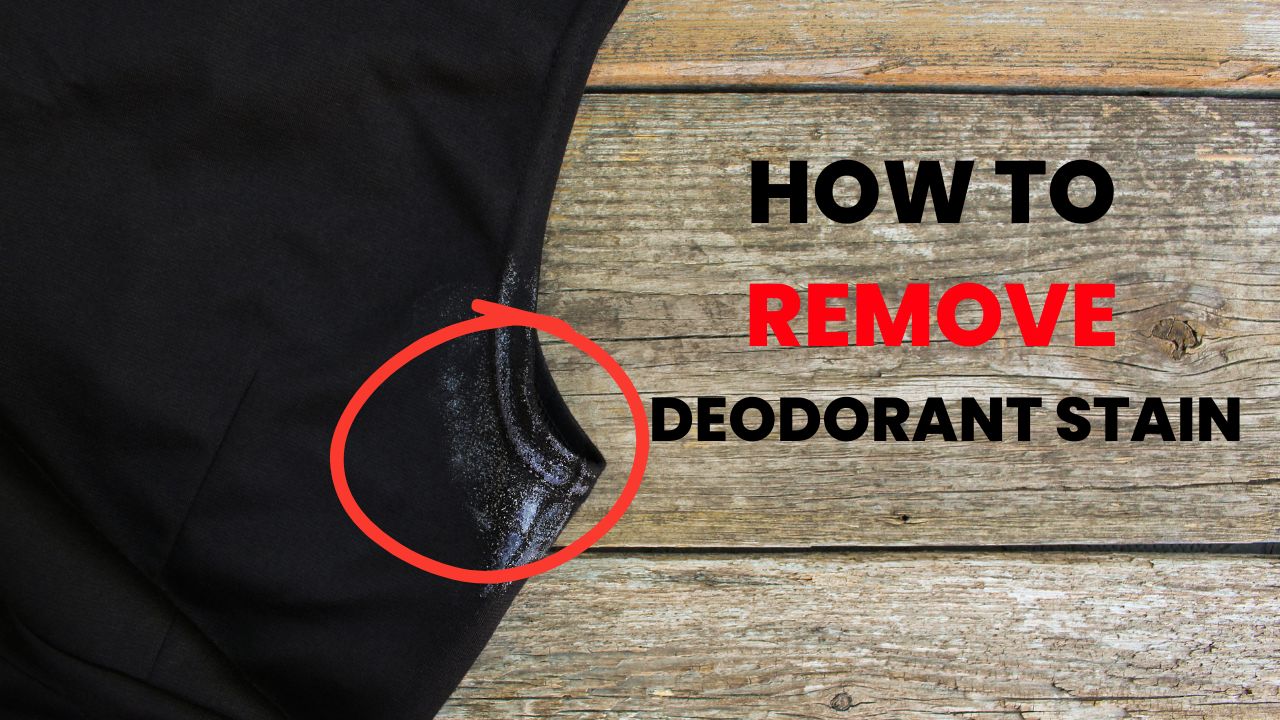
If you want to remove deodorant stains without ruining your clothing, start by turning the garment inside out and gently pretreat stain marks with a small amount of laundry detergent. From my experience, allowing the detergent to sit for 10–15 minutes helps loosen the residue trapped inside the fabric fibers before washing. Rinse with cold water instead of hot water, as heat can set the stain and make stain removal more difficult. Once the stain begins to lift, wash according to care label instructions to protect the material and maintain proper fabric care. This simple approach removes most deodorant buildup while keeping the fabric looking and feeling like new.
What’s the Best Way to Remove Deodorant Stains From Clothes?
The most effective way to remove deodorant residue is to pretreat stain areas with a small amount of laundry detergent, gently working it into the fabric using a soft-bristled brush without damaging the fibers. I’ve found that letting it sit for about 10 minutes before rinsing with cold water gives the detergent enough time to break down the buildup. Follow this with gentle washing to protect the garment, then finish with air drying instead of using high heat, which can lock in any remaining residue and affect long-term fabric care.
Why Do Deodorant Stains Happen?
Deodorant stains usually develop when aluminum salts found in an antiperspirant react with sweat and body oils, creating deodorant residue that clings to fabric fibers over time. In my experience, repeated wear without fully removing this residue leads to mineral buildup, which often appears as yellow stains on light-colored clothing or white marks on darker fabrics. Understanding this process makes it much easier to choose the right cleaning method before the stains become harder to remove.
Things You’ll Need
Before tackling deodorant stains, gather a few reliable supplies to make the job easier and safer on your clothes: laundry detergent for breaking down residue, white vinegar to dissolve mineral deposits, baking soda for gentle scrubbing, a soft-bristled brush to work cleaners into the fabric without damage, a microfiber cloth for blotting, oxygen bleach for stubborn discoloration on washable fabrics, a quality stain remover for set-in marks, and cold water to rinse without setting the stain. Having these items ready helps the cleaning process go more smoothly and reduces the risk of damaging the fabric.
| Item | Why You Need It |
| Liquid laundry detergent | Breaks down deodorant residue before washing. |
| White vinegar | Dissolves mineral and deodorant buildup naturally. |
| Baking soda | Helps lift stains and neutralize odor. |
| Soft-bristled brush | Loosens residue without damaging fabric fibers. |
| Microfiber cloth | Removes loose deodorant marks before treatment. |
| Oxygen bleach | Treats old yellow stains on washable fabrics. |
| Stain remover | Works on stubborn or set-in deodorant stains. |
| Cold water | Prevents stains from setting into the fabric. |
How to Remove Deodorant Stains From Clothes (Step-by-Step)
Removing deodorant stains is easier when you treat them before washing. I’ve found that acting quickly with laundry detergent, cold water, and the right technique helps with effective stain removal while protecting delicate fabric fibers. Always pretreat stain areas first, avoid harsh scrubbing, and follow good fabric care practices to keep clothes in excellent condition. Finish with air drying so you can confirm the stain is completely gone before exposing the garment to heat.
Remove Loose Residue
Begin by wiping away any visible deodorant residue with a dry cloth, then carefully brush away buildup from the surface without pulling or stretching the fabric fibers. This simple first step prevents excess residue from being pushed deeper into the fabric during cleaning.
Apply Liquid Laundry Detergent
Apply liquid laundry detergent directly to the stained area and gently work it in to pretreat stain spots. For older or stubborn marks, you can also use a suitable stain remover. Let the cleaner sit for 10–15 minutes so it has time to break down the buildup while maintaining proper fabric care.
Gently Scrub
Use a soft-bristled brush to perform gentle scrubbing in small circular motions. This technique helps loosen residue trapped inside the fabric fibers without causing unnecessary wear or damaging the material.
Rinse With Cold Water
Flush the treated area with cold water and rinse thoroughly until all detergent residue has been removed. A complete rinse improves stain removal and prevents leftover detergent from leaving its own marks on the fabric.
Wash Normally
Place the garment in the washing machine and choose the recommended laundry cycle listed on the care label. Washing with a fabric-safe detergent removes any remaining residue while keeping the fabric in good condition.
Air Dry Before Using the Dryer
Allow the garment to finish air drying, then inspect stain before drying in a machine. If any trace of the stain remains, repeat the treatment instead of using the clothes dryer, because a high heat setting can permanently set deodorant stains into the fabric.
How to Remove Deodorant Stains From a Shirt
Whether you’re cleaning a dress shirt, T-shirt, or polo shirt, focus on the underarm area, where deodorant residue usually builds up the most, although it’s also worth checking around the shirt collar for transfer marks. Apply liquid laundry detergent directly to the stain and pretreat stain for 10–15 minutes before lightly working it into the fabric fibers with your fingertips or a soft brush. From my experience, this method works well on both cotton fabric and polyester fabric without causing unnecessary wear. Finish with gentle washing according to the care label, then inspect the shirt before drying to make sure the stain has completely disappeared.
How to Remove Old Deodorant Buildup
Old deodorant buildup usually requires more than a normal wash because the residue becomes trapped deep inside the fabric fibers. For the best results, pretreat stain areas with a paste made from baking soda and white vinegar, or use an enzyme detergent if the buildup contains body oils. Next, soak fabric in a solution of oxygen bleach (safe for the fabric type) to help loosen residue before washing as usual. In my experience, this combination is one of the most reliable ways to lift stubborn stains without causing unnecessary damage to the garment.
Best Home Remedies for Deodorant Stains
When I want to treat deodorant stains without relying on commercial products, I start with proven household ingredients that are gentle on most fabrics. White vinegar works well to dissolve buildup, while a paste of baking soda is especially effective for baking soda deodorant stains because it lifts residue without harsh scrubbing. For light-colored washable fabrics, hydrogen peroxide can help lift stains, and lemon juice is useful for fresh discoloration when followed by a thorough rinse. A few drops of dish soap are excellent for breaking down oily deodorant residue, making it easier to wash away. Used correctly, these remedies provide a fabric-safe treatment that cleans effectively while helping preserve the quality of your clothing.
How to Remove White Deodorant Marks From Black Clothes
If you notice white deodorant marks on black clothes, deal with them before washing whenever possible. I usually start by using a clean microfiber cloth to gently wipe away the deodorant residue, and for light marks, a nylon stocking works surprisingly well because it lifts remove surface residue without harming the fabric fibers. If a little residue remains, lightly use a fabric brush with gentle strokes instead of scrubbing aggressively. The key is to avoid overwetting the fabric, as excess moisture can spread the residue and make the marks more noticeable.
How to Clean Deodorant Stains From Different Fabrics
Different materials react differently to deodorant stains, so following the right fabric care method is essential. Before cleaning, always check the care label and choose a fabric-safe detergent that matches the material. In my experience, adjusting your cleaning method to the fabric provides better stain removal while protecting the fabric fibers from unnecessary wear.
| Fabric Type | Best Cleaning Method | What to Avoid |
| Cotton | Liquid laundry detergent + Oxygen bleach | Hot water before stain removal |
| Polyester | Pretreat with detergent and wash gently | High heat in the dryer |
| Linen | Mild detergent with cold water | Harsh scrubbing |
| Silk | pH-neutral detergent and spot cleaning | Bleach or soaking |
| Wool | Wool detergent and cold water | Agitation or twisting |
| Activewear | Sports detergent with air drying | Fabric softener and high heat |
Cotton
For cotton fabric, apply liquid laundry detergent directly to the stain to pretreat stain, then wash as usual. If discoloration remains, oxygen bleach can be used on washable whites for deep-cleaning without excessive scrubbing.
Polyester
Because polyester fabric tends to trap deodorant residue and body oils within its synthetic fibers, pretreat the stained area first and follow with gentle washing to remove buildup without damaging the fabric.
Linen
Clean linen fabric using cold water and a mild detergent to protect its naturally absorbent fibers. Finish with air drying, as high heat may make any remaining stain more difficult to remove.
Silk
Treat silk fabric with a pH-neutral detergent and focus on spot cleaning rather than soaking the garment. Since silk is a delicate fabric, use gentle care and avoid harsh rubbing to prevent damage.
Wool
For wool fabric, wash with a dedicated wool detergent in cold water and handle the garment carefully to protect its delicate fibers. Always avoid agitation, as excessive rubbing can cause shrinking or distortion.
Activewear
When cleaning activewear, use a sports detergent designed for moisture-wicking fabric to remove odor-causing residue trapped inside synthetic fibers. Let the garment finish with air drying to help preserve its stretch and performance.
Can Deodorant Cause Yellow Underarm Stains?
Yes, deodorant stains can lead to yellow underarm stains, especially when aluminum salts in antiperspirants react with sweat over time. This reaction often causes fabric discoloration, which is most noticeable on white clothes. To improve stain removal, pretreat stain areas as soon as possible before washing. If the yellowing is already set in, read our How to Remove Yellow Stains From White Clothes guide for detailed step-by-step solutions.
Common Mistakes to Avoid
One of the biggest stain removal mistakes is using hot water too early, which can make deodorant residue harder to remove and create set-in stains. I also avoid chlorine bleach unless the fabric specifically allows it, as it may react with deodorant ingredients and worsen discoloration. Another common error is harsh scrubbing, which can damage delicate fibers instead of lifting the stain. Always read the fabric care label before washing, and never place the garment in a clothes dryer until you’re sure the stain is gone, because heat damage can permanently lock the stain into the fabric.
Using the wrong stain treatment can sometimes make marks harder to remove. For example, rust stains require a different approach, so check our guide on how to remove rust stains from clothes for the correct method.
How to Prevent Deodorant Stains
Preventing deodorant stains is much easier than removing them later. If you frequently notice buildup, consider switching to an aluminum-free deodorant instead of a traditional antiperspirant, which is more likely to leave deodorant residue behind. Wearing breathable fabrics, using proper application with only a thin layer, and allowing the product to allow deodorant to dry completely before getting dressed can significantly reduce transfer onto clothing. From my experience, combining these habits with consistent fabric care and regular laundering keeps garments looking cleaner and helps prevent stubborn stains from forming.
Frequently Asked Questions
Does vinegar remove deodorant stains?
Yes. White vinegar helps dissolve deodorant residue and mineral buildup, making it easier to remove deodorant stains from clothes, especially when used before washing.
What can I use to remove deodorant stains from clothes?
You can use liquid laundry detergent, white vinegar, baking soda, oxygen bleach, or a quality stain remover. Pretreating the stain before washing usually gives the best results.
Will deodorant stains go away?
Yes, most deodorant stains can be removed if you pretreat stain areas promptly, wash with cold water, and avoid using high heat before the stain is completely gone.
How to remove heavy deodorant stains?
For heavy deodorant buildup, soak the fabric with oxygen bleach or an enzyme detergent, then gently scrub and wash according to the care label.
Will baking soda remove deodorant stains?
Yes. Baking soda is an effective home remedy that helps lift deodorant residue, loosen stubborn buildup, and remove deodorant stains without damaging most washable fabrics.
Conclusion
Removing deodorant stains from clothes doesn’t have to be difficult when you use the right approach for the fabric and treat stains as early as possible. Whether you’re dealing with fresh residue, old buildup, white marks on dark clothing, or yellow underarm stains, simple methods like pretreating with laundry detergent, using the right home remedies, and following the care label can restore your garments without causing damage. In my experience, avoiding heat until the stain is completely gone and adopting a few preventive habits can save both time and your favorite clothes. With proper care and the techniques covered in this guide, you can keep your clothing fresh, clean, and free from stubborn deodorant stains.